
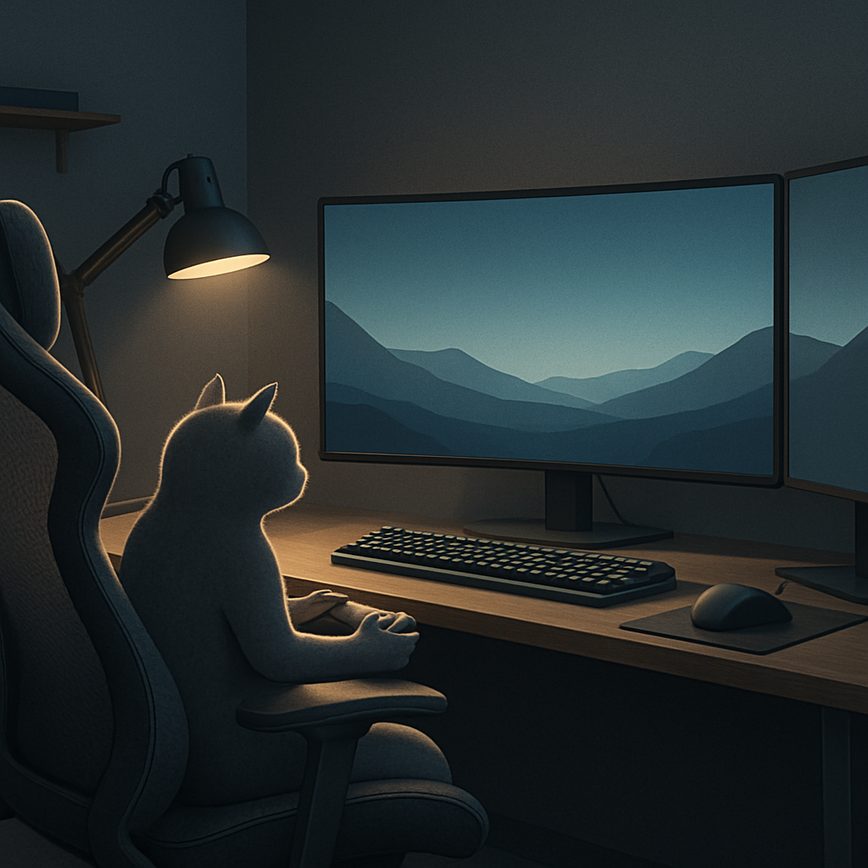
Importance of Maintaining Balance While Gaming
Maintaining a healthy balance in gaming is crucial for ensuring a fulfilling and sustainable gaming lifestyle. While gaming offers entertainment, mental stimulation, and social interaction, it is essential to balance these benefits with other areas of life to promote overall well-being.
From a physical perspective, too much gaming without breaks can lead to sedentary behavior, which might cause health issues such as eye strain, repetitive strain injuries, or poor posture. Incorporating regular physical activity and stretching into your routine is necessary to minimize these risks. Healthy gaming habits encourage gamers to take breaks, engage in exercise, and maintain proper ergonomics, all of which contribute to physical health.
Mental well-being is another critical aspect of balance in gaming. While gaming can improve cognitive skills such as problem-solving, strategic thinking, and hand-eye coordination, excessive gaming may contribute to stress, anxiety, or burnout. Mindfully managing gaming time helps prevent mental fatigue and maintains a positive gaming experience. Developing a routine that allows time for relaxation, hobbies, and other interests complements a healthy gaming lifestyle and supports mental clarity.
Social well-being also plays a vital role in preserving balance while gaming. Gaming can offer social connections, teamwork opportunities, and a sense of community. However, it is important to maintain relationships beyond the digital world to nurture emotional support and real-world interactions. Balancing online gaming with in-person social activities ensures that gamers do not become isolated, fostering a richer and more diversified social life.
In summary, balancing gaming with other life facets—physical health, mental wellness, and social connections—creates a healthier and more rewarding gaming lifestyle. Adopting healthy gaming habits not only enhances the enjoyment of games but also contributes to long-term well-being and overall satisfaction.
Physical and Mental Health Benefits of Balanced Gaming
Maintaining gaming balance plays a crucial role in enhancing both mental health and physical health. When gaming is approached mindfully and in moderation, it can lead to significant benefits such as improved mental clarity and sharper focus. By allocating appropriate time to gaming alongside other daily activities, players can reduce stress levels, helping to foster a calmer and more relaxed state of mind.
Balanced gaming encourages periodic breaks and physical activity, which contribute to better physical fitness. Sitting for prolonged periods can negatively impact the body, but gamers who integrate movement and exercise into their routines often experience enhanced stamina and reduced muscle tension. This balance helps sustain energy levels, preventing fatigue and promoting overall well-being.
Moreover, balanced gaming improves cognitive functions by providing mental stimulation without overwhelming the brain. This equilibrium supports sustained attention and quicker problem-solving skills, which can be beneficial both in and out of the gaming environment. The positive impact on mental health, coupled with the preservation of physical health through proper breaks and posture, demonstrates the holistic benefits of maintaining gaming balance.
In summary, fostering gaming balance not only enhances enjoyment but also yields meaningful improvements in mental clarity, reduces stress, and boosts physical health. Prioritizing this balance is essential for gamers aiming to enjoy their hobby while supporting their overall health and well-being.
Consequences of Excessive Gaming
Gaming addiction can pose several serious risks and negative effects that impact both physical and mental health. One common issue among avid gamers is eye strain, resulting from prolonged exposure to screens without adequate breaks. This strain can cause discomfort, headaches, and even blurred vision over time. Additionally, excessive gaming often leads to poor sleep patterns. The blue light emitted by screens interferes with the body’s natural sleep cycle, making it harder to fall asleep and maintain restful rest. This sleep disruption can negatively affect concentration, mood, and overall well-being.
Another significant risk associated with too much gaming is social isolation. Spending extended hours immersed in games often reduces face-to-face interactions with family and friends, which can lead to feelings of loneliness and depression. Social withdrawal also affects communication skills and emotional health, increasing the risk of mental health challenges. Moreover, the negative effects of gaming addiction extend beyond just physical ailments; emotional and psychological well-being may be compromised as gaming takes precedence over other important life responsibilities and relationships.
Understanding these gaming risks is essential to maintaining a healthy balance. Awareness of the potential negative effects can help gamers set healthier boundaries and prioritize wellbeing, reducing the chance of falling into unhealthy gaming habits. Moderation and regular breaks are key strategies to protect against the detrimental consequences of excessive gaming.
Practical Tips for Maintaining Balance During Gaming Sessions
Maintaining a healthy balance while gaming is essential to enjoy your pastime without compromising your well-being. Incorporating effective gaming tips into your routine can help achieve this balance, especially through time management and ergonomic practices.
First and foremost, time management gaming is crucial. Set clear limits for your gaming sessions by using timers or alarms to avoid extended play that can lead to fatigue or neglect of other responsibilities. Break your gaming time into manageable intervals, such as 45-minute blocks followed by 10-15 minute breaks. This method helps maintain focus and reduces physical strain.
During breaks, engage in activities that promote physical movement and relaxation — stretch your muscles, walk around, or do light exercises. These actions counteract the effects of prolonged sitting and help refresh your mind, contributing significantly to healthy gaming habits.
Ergonomic practices are equally important for a balanced gaming experience. Ensure your gaming setup supports good posture: your chair should provide lumbar support, your feet should rest flat on the floor, and your monitor should be at eye level to prevent neck strain. Consider investing in ergonomic peripherals like keyboards and mice designed to minimize wrist stress.
Moreover, keep your gaming area well-lit to reduce eye strain and use blue light filters or glasses if you play during late hours. Staying hydrated and eating light, nutritious snacks instead of heavy meals can also sustain your energy without causing sluggishness.
Finally, integrate non-gaming activities into your daily routine. Balancing gaming with social interactions, hobbies, and physical exercise enhances your overall well-being and prevents gaming from becoming an isolating or obsessive habit. By following these gaming tips, you can enjoy your sessions responsibly while safeguarding your health and productivity.
Set Time Limits and Take Regular Breaks
Setting clear time limits for your gaming sessions is essential to prevent fatigue and maintain your concentration. By establishing defined boundaries, you create a structured environment that discourages marathon sessions that can lead to mental exhaustion. Scheduling gaming breaks at regular intervals allows your brain to rest, reducing the risk of burnout and keeping your reflexes sharp.
One effective strategy is to schedule gaming in advance, allocating specific blocks of time dedicated solely to play. This approach not only helps you enjoy your gaming experience without guilt but also promotes a healthy balance with other daily activities. When you adhere to time limits, you ensure that your focus remains strong throughout each session, enhancing your overall performance.
Taking gaming breaks is just as important as setting time limits. Short pauses between gameplay sessions give your eyes a chance to rest, help reduce physical tension, and refresh your mind. Even a five to ten-minute break can improve alertness and decision-making, making your gaming more enjoyable and efficient. Remember, consistent breaks are a vital part of a sustainable gaming routine.
In summary, setting time limits and regularly scheduling gaming breaks are practical ways to maintain balance. They prevent fatigue, sustain concentration, and ultimately lead to a more satisfying and healthier gaming experience.
Create a Comfortable and Ergonomic Gaming Setup
Maintaining an ergonomic gaming setup is crucial for both comfort and long-term health. When gaming, poor posture and uncomfortable setups can lead to physical strain, including back pain, neck stiffness, and wrist discomfort. By prioritizing ergonomic gaming practices, you can significantly reduce these risks, allowing for longer, more enjoyable sessions without unnecessary pain.
One of the most important setup tips is to choose a chair that supports your lower back and encourages good posture. Adjustable chairs with lumbar support help keep your spine aligned, preventing slouching that can cause strain over time. Position your monitor at eye level to avoid neck bending, and keep your keyboard and mouse at a height that allows your elbows to rest comfortably at your sides.
Good gaming posture also involves taking regular breaks to stretch and move around. This helps relieve muscle tension and improves circulation, reducing fatigue. An ergonomic gaming setup isn’t just about equipment but also about developing habits that protect your body and enhance your overall gaming experience.
By implementing these ergonomic gaming tips and focusing on a comfortable setup, you not only improve your physical well-being but also maximize your focus and performance during gameplay. Remember, a well-designed gaming environment is essential for both health and enjoyment.
Incorporate Other Activities and Social Interactions
Maintaining a balanced lifestyle while enjoying gaming involves more than just managing screen time; it also means integrating social gaming with offline activities that promote physical health and personal connections. Engaging in physical activities such as walking, jogging, or joining a sports team can refresh your mind and body, enhancing your overall well-being and allowing you to return to gaming with renewed focus and energy.
Besides physical health, nurturing real-world social relationships is crucial. While social gaming offers opportunities to connect with others online, it’s important to also spend quality time with family and friends away from screens. This balance helps prevent isolation and builds a support network that enriches your life beyond the gaming world.
Participating in offline hobbies like reading, cooking, or attending community events can also add variety to your daily routine, making your lifestyle more fulfilling. By mixing gaming sessions with these diverse activities, you create a healthier rhythm that supports mental clarity and emotional stability.
Incorporating other activities and social interactions alongside social gaming ensures you maintain a well-rounded and balanced lifestyle. This approach not only benefits your physical and emotional health but also enhances your enjoyment of gaming as a rewarding and enriching pastime.
Tools and Resources to Support Balanced Gaming
Maintaining a balanced gaming lifestyle can be challenging, but numerous gaming apps and digital balance tools have been developed to help gamers manage their playtime effectively. These tools provide insights into gaming habits, set playtime limits, and remind players to take necessary breaks, promoting healthier gaming routines. For example, apps like RescueTime and StayFocusd monitor your gaming duration and internet usage, enabling you to establish boundaries and maintain focus on other important activities.
In addition to individual gaming apps, several gaming resources offer community support and educational materials focused on balanced gaming. Online forums, social media groups, and dedicated websites allow gamers to share their experiences, tips, and challenges related to maintaining equilibrium between gaming and daily responsibilities. Leveraging these resources can help gamers foster a supportive network, making it easier to stay accountable and motivated in nurturing a balanced lifestyle.
Many modern gaming platforms also incorporate native balance tools allowing players to track their usage directly within the game environment. Parental controls and timers embedded into consoles and PC software help gamers and parents manage screen time effectively without disrupting gameplay. These features are invaluable for promoting moderation and preventing excessive gaming, which can lead to burnout or negatively impact other life areas.
Finally, combining technology with offline resources—like local support groups or wellness programs tailored for gamers—can further enhance a balanced approach to gaming. Workshops and seminars focusing on healthy gaming habits, mindfulness, and time management provide practical strategies to complement digital balance tools. Together, these tools and community resources form a comprehensive support system encouraging gamers to enjoy their hobby responsibly and sustainably.
Apps for Tracking Playtime and Setting Limits
For gamers looking to manage their gaming habits more mindfully, there are several excellent gaming apps designed specifically for tracking playtime and setting session limits. These apps help players stay aware of how much time they spend in virtual worlds and encourage healthier gaming routines. Popular time trackers like RescueTime and Toggl can automatically monitor gaming activity, providing detailed reports on daily and weekly playtime. Additionally, gaming-specific apps such as GameQuitter and PlayPause offer tailored features for limit setting, reminding users when they’ve reached their desired gaming duration.
Many of these apps come with customizable alerts and schedules so gamers can enforce breaks and avoid marathon sessions. Tools like Cold Turkey and FocusMe allow users to block access to games after hitting their time limits, promoting balance between gaming and other life priorities. The integration of these limit setting features makes it easier for players to maintain control without feeling deprived.
Overall, integrating gaming apps and time trackers into daily routines can foster a healthier relationship with gaming, reducing the risk of burnout and enhancing overall well-being. By setting sensible limits, players can enjoy their favorite games while keeping their time management on track and maintaining balance in life.
Communities and Support Groups
Joining gaming communities and support groups can be an invaluable step toward maintaining healthy gaming habits. These groups, whether online or local, offer a wealth of social support and shared experiences that promote balanced play. Being part of a community connects gamers with others who understand the joys and potential challenges of gaming, fostering a sense of belonging and accountability.
Online gaming communities provide a platform to discuss strategies, share successes, and offer encouragement during times when gaming becomes overwhelming. Many communities also emphasize the importance of breaks, responsible gaming, and mental well-being, creating a supportive atmosphere that champions healthy gaming behaviors. Additionally, support groups specifically dedicated to gaming habits help players identify patterns that may interfere with daily life and provide resources and peer support for managing those challenges.
Local support groups or meetups can be equally beneficial, giving players a chance to connect face-to-face and build real-world friendships outside of the gaming environment. These connections can be crucial in maintaining balance, as they remind gamers of life beyond screens and encourage diverse social interactions. By immersing yourself in gaming communities and support groups, you create a safety net that promotes well-rounded, mindful gaming.
Overall, engaging with these groups not only enriches the gaming experience but also reinforces healthy habits, ultimately helping players maintain their passion for gaming in a positive and sustainable way.

I’ve been fascinated by slots and casino mechanics ever since I discovered online gambling as a teen, and I love sharing the thrill of bonuses and tournaments with fellow players. These days I spend my time exploring crypto-casino platforms and dissecting the strategies behind mini-games, writing about what makes each experience unique.