
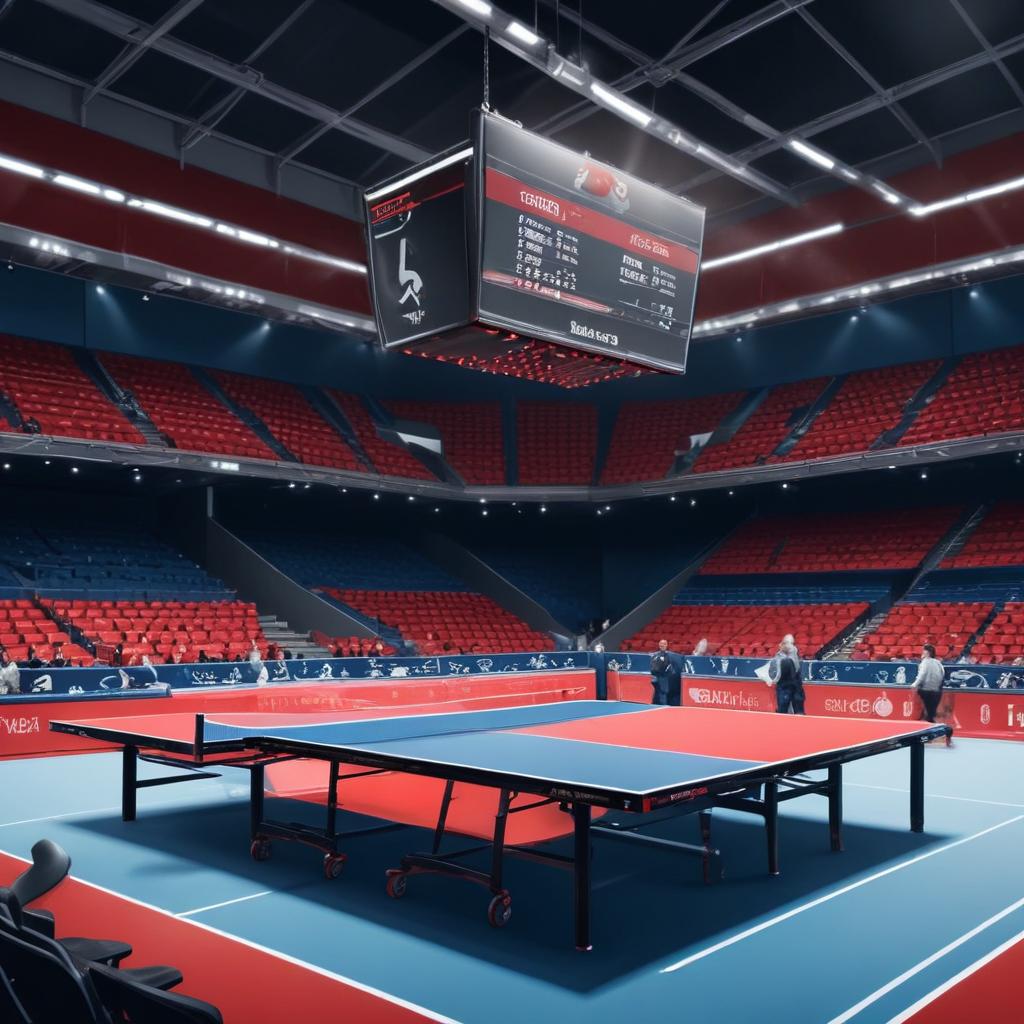
Understanding Player Engagement in Tournaments
Players’ engagement reflects how deeply they immerse themselves in gameplay—balancing curiosity, passion, and sustained participation—especially when competing in high-stakes tournaments. Unlike relaxed, single-player sessions, these events create a high-pressure setting that amplifies emotional stakes and mental focus, pushing participants to refine their abilities while fostering lasting ties within the [[L0]] gaming ecosystem. The result is a cycle of skill progression and community loyalty that keeps players invested long after the match ends.
[[L0]] in esports circuits, the drive to excel stems from the adrenaline of head-to-head battles and the camaraderie—or rivalry—that emerges when players clash at levels matching or surpassing their own. The push to dominate isn’t just about skill; it’s about seizing tangible perks like [[L0]] prizes, [[L0]] prestige, or [[L0]] progression paths that act as built-in motivators. These rewards don’t just lure players in—they sharpen their focus, deepen their commitment, and forge a stronger bond with the game’s ecosystem and its shared culture.
[[L0]] for gamers, stepping into tournaments injects a meaningful drive and a tangible sense of accomplishment, shifting casual play into a dynamic, high-stakes pursuit. The thrill of rivalry, the push to outperform peers on [[L1]] leaderboards, and the bonds forged through teamwork fuel ongoing excitement. Beyond the screen, active participation sharpens focus, sharpens tactics, and cultivates mental toughness—key ingredients that deepen both competitive edge and long-term enjoyment.
Organizers recognize that cultivating deep player involvement is essential for maintaining tournament sustainability. High engagement levels lead to broader participation, higher turnout rates, and stronger community ties. These outcomes enhance brand exposure, attract sponsorships, and expand income channels. By analyzing what drives players, organizers can craft events that blend competitive rigor with engaging experiences—ensuring ongoing audience loyalty and sustained interest.
[[L0]] serves as the vital force that bridges gamers and event organizers, fostering a partnership where both sides thrive. By keeping tournaments lively and evolving, it fuels the competitive scene’s expansion, ensuring events stay fresh and compelling. When engagement is prioritized, tournaments transcend mere skill tests—they become vibrant gatherings that honor camaraderie, rivalry, and shared passion.
What Drives Players to Participate
player motivation lies at the heart of why tournaments now serve as a cornerstone for deepening player engagement. A key driver behind participation stems from the compelling incentives they provide. From concrete prizes like cash awards or exclusive player motivation items to less tangible perks such as top-tier leaderboard positions and achievement badges, these rewards create irresistible motivation. Players are drawn to the prospect of earning these benefits, prompting them to dedicate more time and energy, ultimately strengthening their ongoing involvement.
social recognition serves as more than just a carrot—it’s a cornerstone of player engagement. Competitive showcase their skills lets gamers showcase their skills while earning recognition from their peers, a validation that elevates their standing in the community. That public respect isn’t just a fleeting win; it fosters loyalty, turning casual play into a deeper commitment. In high-stakes scenes, where reputation matters most, that social validation becomes the ultimate incentive to keep competing.
[[L0]] fuels the core of tournament engagement, where players chase the rush of pushing their limits against rivals. The allure of outplaying opponents and refining mastery fuels their ambition, turning everyday sessions into high-stakes quests. This innate drive—rooted in the pursuit of dominance and progression—shapes every contest into a pivotal step toward mastery. Within this high-energy setting, each clash becomes a defining moment in their journey upward.
[[L0]] thrives on the perfect blend of gaming rewards, peer validation, and the innate drive to outperform others, fueling player motivation to join competitive events. This dynamic trio—[[L0]]’s structured incentives, the thrill of standing out, and the inherent push to excel—crafts an electrifying environment where tournaments naturally attract deeper engagement and unwavering passion.
Measuring Engagement Levels
Analyzing player engagement in [[L0]] tournaments demands a balanced approach, merging qualitative observations with hard data. Such metrics reveal crucial details about how participants connect with the event’s atmosphere and their level of dedication to the contest.
Quantitative metrics metrics like play session frequency and duration provide precise, time-bound insights into engagement trends. Meanwhile, participation rates reveal the conversion rate from registration to active competition or milestone achievement. By analyzing these figures, organizers can gauge overall interest and pinpoint obstacles that may discourage full participation.
[[L0]] offers deeper context by capturing the player experience in a comprehensive way, going beyond raw data. Through feedback surveys, player interviews, and in-depth community engagement studies, developers uncover nuanced perspectives on tournament design, prize structures, and gameplay obstacles. These qualitative findings are essential for pinpointing what truly drives engagement and fulfillment, ultimately shaping long-term player loyalty.
Evaluating engagement holistically by merging qualitative insights with quantitative metrics provides a clearer picture of player interaction. When metrics like [[L0]] show high participation alongside favorable feedback from participants, it confirms robust engagement and a well-crafted tournament structure. On the other hand, if initial activity spikes but [[L1]] reveals declining long-term retention, it suggests adjustments are needed to sustain player interest and optimize tournament mechanics.
[[L0]] offers a comprehensive approach to assessing tournament performance by analyzing key engagement indicators—such as player activity levels, participation rates, and user retention—while integrating qualitative insights to refine strategies for sustained growth and competitive excellence.
How Tournaments Create Enhanced Engagement

Tournaments unlock a variety of tournament benefits designed to amplify player enthusiasm by leveraging the inherent drive to compete that gamers already possess. Through organized challenges, these events foster an electrifying setting where players are pushed to refine their abilities and stay deeply involved. The resulting high-stakes gaming experience sustains interest over extended sessions and fosters loyalty, helping sustain a dynamic and engaged community of players.
[[L0]] tournaments create vibrant spaces where like-minded players converge, uniting those who thrive on shared enthusiasm for the game. These gatherings spark meaningful exchanges—whether through collaborative discussions, tactical insights, or spirited competition—that transcend mere gameplay. Bonds form as participants share moments of triumph, refine their approaches, and foster camaraderie, enriching their connection to the experience. The resulting social energy acts as a powerful catalyst, keeping players invested and eager to return for more.
[[L0]] play a vital role in fostering deep connections within the gaming world, acting as a dynamic hub for community growth. When games host [[L0]], the resulting player groups become vibrant, collaborative spaces where enthusiasts unite around shared aspirations in competition. This shared identity fosters a stronger bond, making fans feel both invested in the game and tied to a wider network of peers. Through structured [[L0]], developers and organizers nurture a passionate, loyal following that actively champions the title, ensuring its sustained relevance and engagement.
Tournaments inject energy and spontaneity into competitive gaming, drawing in everyone from weekend warriors to seasoned veterans. With structured objectives, achievement badges, and tangible prizes, they maintain steady player involvement. The drive to earn prestige and surpass rivals fuels skill development, elevating the entire gaming journey. [[L0]]
[[L0]] offer far more than just a chance to compete—they foster meaningful connections and nurture vibrant communities. Through structured events, players engage more deeply, transforming casual play into shared experiences that keep them invested over time. This blend of skill-based competition and social interaction makes tournaments a cornerstone of player loyalty, ensuring sustained excitement and participation in the game.
Incentives and Rewards Systems
[[L0]] act as compelling incentives that keep players actively involved in tournaments. When participants see real benefits on the line, they’re more likely to join frequently and push themselves to reach new milestones. The thrill of potentially claiming [[L0]] keeps the competition lively, turning each match into a more engaging and rewarding challenge.
Well‑designed reward systems leverage player motivation by offering varied incentives. Some gamers chase exclusive in‑game items or cosmetic upgrades, while others value cash payouts or leaderboard status. By expanding the range of prizes, tournaments attract a wider crowd and maintain steadier participation. This tactic amplifies the effect of tournament incentives on player retention.
Additionally, tiered rewards that scale with player performance set clear objectives, motivating continuous effort and growth. As players notice their commitment earning progressively higher honors, their drive to keep competing swells. This feedback loop boosts engagement as players pour more time and skill into the games.
Rewarding players thoughtfully with well-crafted prizes drives ongoing tournament participation and builds a loyal, dedicated player base. These incentives go beyond simple motivation—they cultivate a vibrant community where competition thrives and players keep coming back for more. When organizers align rewards with smart strategies, they can amplify enthusiasm and foster lasting engagement, turning one-time visitors into regular champions. [[L0]]
Social Interaction and Community Growth
[[L0]] serve as dynamic hubs that deepen social interaction among gamers, blending rivalry and teamwork to create lasting connections. Through shared challenges and triumphs, players forge genuine relationships that enrich the broader gaming ecosystem. These gatherings transform fleeting interactions into enduring camaraderie, fueling a lively and engaged community.
[[L0]] fosters a collaborative environment where teamwork becomes a cornerstone of success. When gamers unite under shared objectives, they refine their ability to align strategies, adapt on the fly, and rely on one another’s strengths. This synergy not only deepens bonds between teammates but also cultivates a sense of unity, enriching the overall experience with camaraderie and shared purpose. Consequently, participants find themselves more invested in recurring events, eager to reconnect with familiar allies and revisit the thrill of coordinated playtime.
Tournaments foster a powerful sense of camaraderie among participants. By making players feel like valued members of a shared community, these events deepen their emotional connection to the game. This inclusion strengthens engagement and keeps players invested over time. Beyond skill and strategy, tournaments build a supportive space where bonds flourish, ensuring players remain motivated and connected to the broader community.
Best Practices to Maximize Engagement Through Tournaments

Successfully hosting gaming tournaments requires a strategic approach to keep players engaged and invested throughout the event. Implementing effective tournament strategies can significantly boost player retention and create a lively, competitive environment that encourages ongoing participation. Here are some proven engagement best practices that organizers should consider for optimal event management.
Ensure transparency is a cornerstone of any successful event. By sharing thorough timelines, [[L0]], and [[L1]] well in advance, you eliminate ambiguity and help participants plan effectively. Leveraging diverse platforms—like social media, email updates, and [[L2]]—guarantees your key details are accessible to everyone, fostering a smoother and more engaging experience.
[[L0]] transforms engagement by introducing dynamic challenges that keep players hooked. By embedding interactive elements like real-time leaderboards, unlockable [[L1]], and tiered [[L2]] tied to [[L3]] milestones, the platform taps into intrinsic motivation. This structured yet flexible rewards system fosters a sense of accomplishment while subtly driving recurring participation. The result? A self-sustaining ecosystem where players stay invested through both short-term thrills and long-term progression.
Efficient matchmaking is a key element in successful event organization. Ensuring balanced skill distributions across brackets promotes fair and engaging gameplay, reducing player dissatisfaction caused by uneven matchups. Explore tools like dynamic algorithms that adjust to real-time performance metrics or enable players to manually seed themselves according to their ranking data [[L0]].
[[L0]] strengthens player engagement by cultivating a vibrant community atmosphere. Promote real-time interaction via platforms like [[L0]] forums, [[L0]] Discord servers, or in-game chat to keep participants connected. Organizing live [[L0]] sessions, [[L0]] broadcasts, and post-event discussions fosters teamwork and makes attendance feel more rewarding.
Ensure your post-event engagement doesn’t end with the final round—it’s the key to long-term success. Gather insights from attendees to pinpoint what worked and what could be refined, then shine a spotlight on standout performers to reinforce their contributions. By providing [[L0]] special perks or [[L1]] priority access to future events, you’ll turn one-time visitors into dedicated fans, strengthening your community’s loyalty over time.
[[L0]] ensures your event stands out by blending proven tournament tactics with engaging player-focused techniques, crafting an experience that truly connects with participants. The result? A surge in attendance and a loyal fanbase that looks forward to each upcoming [[L0]], year after year.
Designing Inclusive and Competitive Formats
Developing tournament structures that resonate with players across all experience levels is key to building welcoming gaming spaces that keep competition balanced and engaging. By tailoring formats to accommodate [[L0]]novices, [[L1]]intermediate players, and [[L2]]experts alike, organizers can guarantee fair access and meaningful challenges for everyone involved.
By implementing a tiered bracket system within the tournament framework, organizers can create distinct skill-based divisions that foster fair and engaging matches. This approach ensures [[L0]] that newcomers face opponents at their level while still being pushed to elevate their gameplay, creating a dynamic progression path. Such segmentation enhances overall [[L1]] satisfaction by delivering competitive yet manageable challenges, while also encouraging participants to strive for advancement through higher tiers.
Ensuring that event guidelines are explicit and straightforward fosters a level playing field by minimizing misunderstandings and conflicts. Implementing robust fairness initiatives, such as anti-fraud protocols and vigilant officiating, upholds standards that build credibility. A transparent system where [[L0]] participants feel the competition is equitable and welcoming encourages sustained involvement and repeat attendance at upcoming [[L1]] gatherings.
[[L0]] offers players the freedom to choose between solo, team, or hybrid formats, ensuring everyone finds a style that suits their playstyle and goals. Streamlined scheduling paired with inclusive entry barriers lowers barriers to entry, making competitive play more accessible. When paired with transparent skill-based divisions and equitable rules, these tournaments foster both thrilling competition and a lasting sense of belonging, driving sustained participation and community expansion.
Leveraging Technology and Analytics
[[L0]] revolutionizes how tournament organizers connect with players by leveraging cutting-edge tech solutions. Through live data feeds from advanced gaming analytics platforms, coordinators gain instant insights into player interactions, tracking everything from participation trends to in-game decision-making. These real-time analytics empower organizers to refine event structures, tailor experiences to audience expectations, and foster more dynamic, high-stakes competitions that resonate with competitive communities.
[[L0]] leverages advanced analytics platforms to pinpoint the most compelling elements of a tournament, from popular [[L1]] formats to competitive [[L2]] frameworks and optimal [[L3]]. By harnessing this granular data, organizers craft events rooted in measurable trends, replacing guesswork with actionable intelligence. The result is a series of refined tournaments that consistently align with the evolving tastes of the gaming audience, fostering deeper participation and satisfaction.
[[L0]] leverages advanced analytics to deliver tailored messaging and rewards, ensuring players receive precise incentives aligned with their performance metrics. When organizers detect shifts in engagement, they deploy targeted alerts or perks—like [[L1]]—to sustain or refresh motivation. Such precision enhances satisfaction and strengthens long-term player loyalty, directly impacting overall retention.
[[L0]] allows tournament organizers to harness the power of real-time gaming analytics and player engagement metrics, enabling them to adapt and optimize their strategies on the fly. This data-driven approach fosters a vibrant, interactive ecosystem where every event feels fresh and tailored to participants. As organizers integrate these innovations, they transform competitions into immersive, high-energy experiences designed to captivate and keep dedicated players coming back for more.

I’ve been fascinated by slots and casino mechanics ever since I discovered online gambling as a teen, and I love sharing the thrill of bonuses and tournaments with fellow players. These days I spend my time exploring crypto-casino platforms and dissecting the strategies behind mini-games, writing about what makes each experience unique.