

Ultra-simple mini-games have carved out a unique niche in the gaming world, providing players with quick bursts of entertainment that fit seamlessly into busy lifestyles. These games often feature straightforward mechanics and minimalistic designs, making them accessible to a wide audience. Titles like “Flappy Bird” and “2048” gained immense popularity not just for their simplicity, but also for the addictive challenge they present. Players can engage in a few minutes of gameplay during a commute or while waiting in line, making these mini-games perfect for on-the-go enjoyment. Their appeal lies in the ability to offer a satisfying experience without the steep learning curves found in more complex games.
The Psychology of Instant Gratification in Crash and Dice Games
Instant gratification plays a significant role in the allure of crash and dice games, where players experience immediate rewards for their actions. The very nature of these games caters to the human desire for quick feedback, as players can see the results of their bets almost instantly. This instant outcome not only satisfies the need for excitement but also taps into the brain’s reward system, releasing dopamine and creating a sense of pleasure. Research indicates that this rapid reinforcement can lead to addictive behaviors, as players continuously seek the thrill of winning in a short time frame.
Moreover, the simplicity of crash and dice games enhances their appeal. With straightforward mechanics, players do not need to invest substantial time or effort to understand the rules. This accessibility allows for a wide range of participants, from casual gamers to more seasoned players, all of whom can enjoy the thrill of the game. The combination of quick rounds and easy-to-grasp strategies means that players can engage with these games in a highly interactive manner, often leading to repeated plays in a single session. This cycle of rapid play and reward solidifies the game’s position as a favorite among those seeking immediate satisfaction in their gaming experiences.
Provably Fair Algorithms and Trust in Simple Game Mechanics
In the world of ultra-simple mini-games, the concept of provably fair algorithms has emerged as a critical element in fostering trust among players. These algorithms ensure that game outcomes are not only random but can also be verified by the players themselves. For example, when a player participates in a simple betting game, the algorithm generates a unique hash for each round, which players can access and verify after the game concludes. This transparency is vital for building confidence, especially in environments where players are wagering real money. The assurance that no manipulation has occurred enhances the gaming experience, making it more appealing to a broader audience.
Moreover, the integration of these algorithms into gameplay mechanics aligns perfectly with the straightforward nature of mini-games. Unlike complex games that may obscure their underlying mechanics, simple games thrive on clarity and ease of understanding. Players can quickly grasp how outcomes are determined, which diminishes feelings of uncertainty and suspicion. This straightforwardness, combined with the trust provided by provably fair systems, creates an inviting atmosphere for casual gamers. As players engage with these mechanics, they are more likely to return, knowing that their experience is both enjoyable and fair, ultimately benefiting game developers through increased player retention and engagement.
Mobile Optimization and the Rise of Vertical Mini-Game Interfaces
The shift towards mobile gaming has prompted developers to rethink their interface designs, particularly with the increasing popularity of vertical mini-games. These games are tailored for one-handed play, aligning perfectly with how users naturally hold their smartphones. By prioritizing vertical layouts, developers can enhance accessibility and engagement, allowing players to easily navigate through simple mechanics and visually appealing graphics without the need for complex controls. This design philosophy caters to the on-the-go lifestyle of many mobile users, who often seek quick entertainment during short breaks.
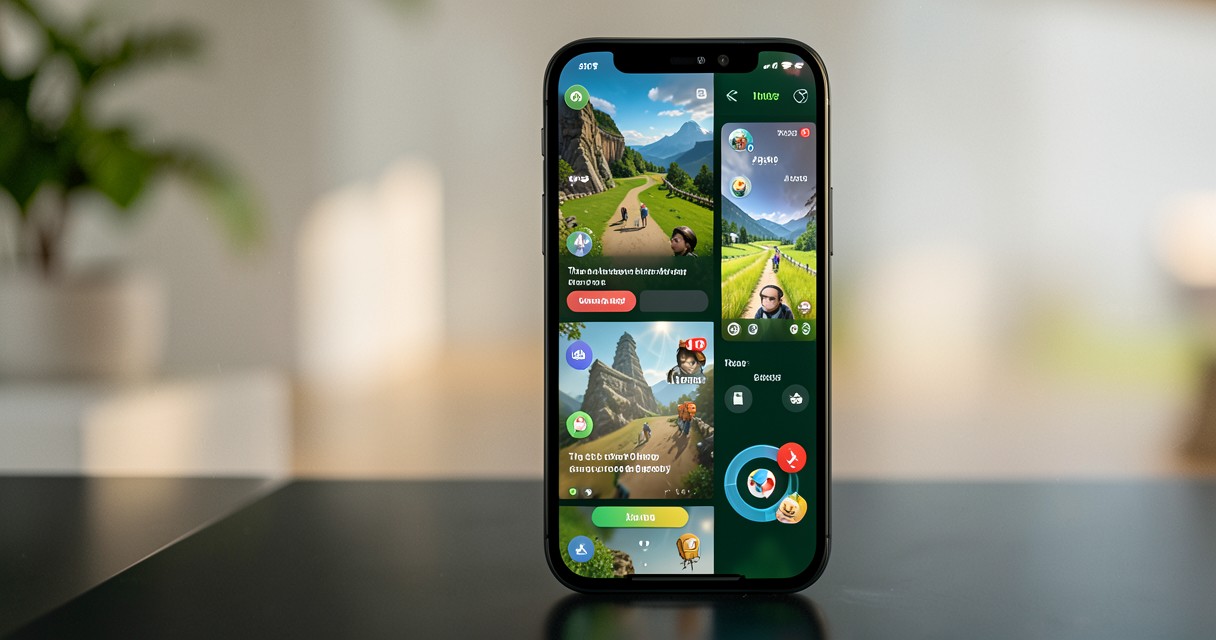
Additionally, the success of vertical mini-games can be attributed to their ability to offer bite-sized experiences that fit seamlessly into daily routines. For instance, games like “Flappy Bird” and “Stack” have shown how minimal mechanics can create addictive gameplay that invites repeated play sessions. The vertical format not only maximizes screen real estate but also encourages rapid interactions, fostering a sense of accomplishment in a matter of seconds. As developers continue to optimize for mobile, the vertical mini-game interface is likely to become a staple, appealing to a broad audience seeking instant gratification and entertainment from their devices.
Why Gamblers Prefer Low Complexity Over High Volatility Video Slots
Gamblers often gravitate towards low complexity video slots because these games offer a more straightforward and less stressful experience. In high volatility slots, players can face significant swings in their bankroll, resulting in long dry spells without wins. This can be discouraging and lead to frustration, particularly for casual players who may not have the patience or funds to endure such fluctuations. Low complexity games, on the other hand, typically feature simpler mechanics and more consistent payouts, allowing players to enjoy the gaming experience without the anxiety of potentially losing large amounts of money in a single session.
Moreover, low complexity slots are designed to be accessible to a wider audience, making them particularly appealing to novice players. These games often have fewer paylines and simpler bonus features, which means players can quickly understand how to play and what to expect. This simplicity allows for a more relaxed gaming environment, enabling players to focus on enjoyment rather than strategy. The combination of steady payouts and easy-to-understand rules creates a comforting atmosphere that encourages longer play sessions, making low complexity slots a preferred choice for many gamblers.
The Role of Cryptocurrency in Enabling Fast Paced Betting Sessions
Cryptocurrency has transformed the online betting landscape, particularly for ultra-simple mini-games that thrive on speed and engagement. One of the primary advantages of using cryptocurrencies like Bitcoin and Ethereum is the instant transaction capability they offer. Traditional banking methods often involve delays due to verification processes and interbank transfers, which can slow down the betting experience. In contrast, crypto transactions typically occur within minutes, allowing players to place bets and receive payouts almost immediately, enhancing the thrill of rapid gaming sessions.

Additionally, cryptocurrencies provide a level of anonymity that appeals to many online gamers. Players can engage in fast-paced betting without the need to share sensitive personal information, which is often required by conventional payment methods. This anonymity not only protects users but also adds an element of excitement, as players can focus solely on the game without concerns about privacy breaches. Moreover, the integration of cryptocurrencies into mini-game platforms often includes innovative features like decentralized finance (DeFi) elements, enabling players to earn rewards and bonuses in a dynamic and engaging manner, further enhancing the appeal of quick betting sessions.
Strategic Bonus Wagering on High RTP Mini-Games
High Return to Player (RTP) mini-games have gained popularity not only for their simplicity but also for the strategic opportunities they present, particularly when it comes to bonus wagering. These games typically feature RTP percentages that can exceed 96%, making them highly appealing for players looking to maximize their potential returns. By strategically placing wagers on these games, players can leverage bonuses offered by online casinos, turning what might be a modest promotional offer into a significantly profitable gaming experience.
For instance, consider a player who receives a 100% deposit match bonus up to $200. If they choose to wager this bonus on a mini-game with a 97% RTP, they stand a better chance of meeting the wagering requirements quickly while also enjoying the thrill of gameplay. This strategy not only allows players to stretch their bankroll, but it also enhances their overall gaming experience, as they are more likely to see positive returns. Additionally, many mini-games are designed for quick rounds, allowing players to make informed decisions based on their current bankroll and the RTP of the game, thus ensuring they can enjoy longer play sessions while managing risk effectively.

I’ve been fascinated by slots and casino mechanics ever since I discovered online gambling as a teen, and I love sharing the thrill of bonuses and tournaments with fellow players. These days I spend my time exploring crypto-casino platforms and dissecting the strategies behind mini-games, writing about what makes each experience unique.