
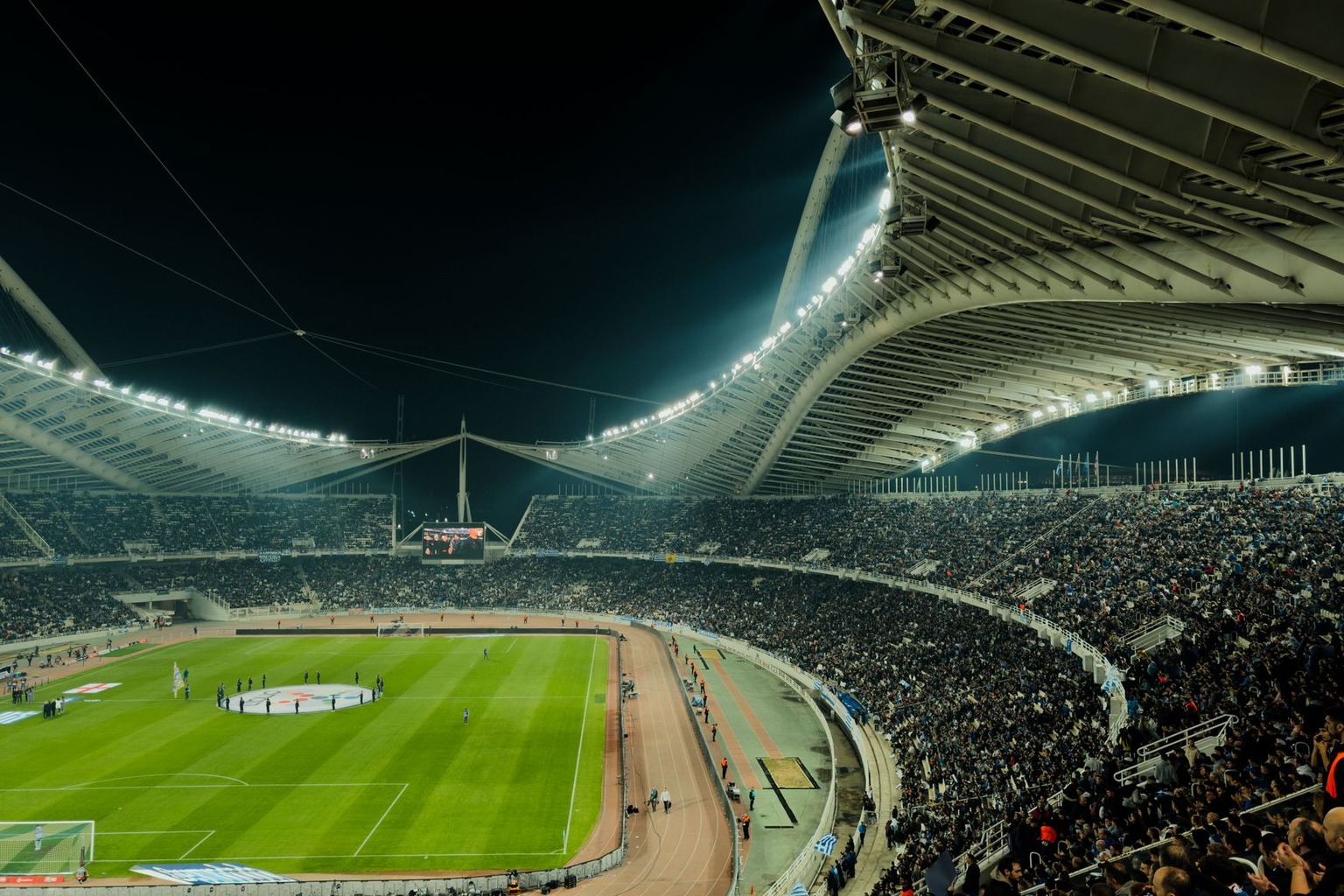
For Greek football fans, the Super League Greece match calendar isn’t just a schedule, it’s a rhythm that shapes how entire weeks unfold. Whether you’re a die-hard supporter of Olympiacos or a casual viewer of PAOK’s tactical battles, the league’s structure demands careful planning, especially when balancing matches against work, family, and other leisure activities. With fixtures spread across weekends and midweek slots, the key lies in anticipating the calendar’s demands and integrating them seamlessly into your routine. Platforms like Sport24 offer real-time updates and in-depth analysis, making it easier to stay ahead of the curve, but the real challenge is turning that knowledge into a practical lifestyle adjustment. The best way to approach this is methodically, starting with an understanding of how the league’s format works and then tailoring your schedule to accommodate it without sacrificing other priorities.
Understanding the Greek Super League Calendar Structure
The Greek Super League operates on a 34-game season, running from late August through May, with a winter break in January. Each team plays every other team twice, once at home and once away, which means the calendar is dense, especially in the first and last months. Midweek matches (typically Tuesdays and Wednesdays) are common, often clashing with work or social commitments, while weekends offer more flexibility but can still disrupt plans if fixtures fall on holidays or family events. The league’s structure is designed to keep momentum high, but it also requires fans to plan ahead. For example, a Tuesday night fixture might force a work-from-home arrangement, while a Saturday match could mean coordinating with roommates or family for a shared viewing experience. Without this foresight, even the most dedicated supporter risks missing key moments or feeling overwhelmed by last-minute adjustments.
One common misconception is that the calendar is predictable, but the reality is that fixture releases can shift due to international breaks or TV scheduling conflicts. For instance, a team like Atromitos might see their home-and-away dates rearranged if their TV rights partner (like DAZN or NOVA Sports) pushes a major international event. This unpredictability means fans must treat the calendar as a living document, checking updates regularly, whether through Sport24’s live tables or official league announcements. Proactively setting calendar reminders for fixture releases (not just the matches themselves) can help you stay one step ahead, especially when planning vacations or social outings.
The Super League’s format also creates natural peaks and troughs in intensity. The first six weeks and the final four are the most demanding, with multiple midweek games and back-to-back weekends. During these periods, fans often adopt a “match-focused” mindset, prioritizing flexibility in their schedules. Conversely, the winter break offers a rare respite, allowing for deeper analysis of team performances or even catch-up viewing of classic matches. Recognizing these patterns helps in structuring your leisure time, not just around the matches themselves, but around the ebb and flow of the season’s demands.
Mapping Out Your Leisure Time Around Key Match Windows
The most effective way to plan around the Super League calendar is to break the season into three distinct phases: the pre-season build-up, the mid-season grind, and the post-season wrap-up. Each phase requires a different approach to leisure time. In the pre-season phase (August through October), matches are frequent but still manageable, with fewer midweek clashes. This is the ideal time to experiment with viewing habits, whether you’re testing out a new streaming platform or coordinating with friends for a watch party. For example, if you’re a fan of Panathinaikos, you might schedule a weekly “match night” with a small group, alternating between home games and trips to the stadium when possible.
During the mid-season grind (November through March), the calendar tightens significantly, with teams playing up to three games in a two-week span. This is where flexibility becomes crucial. If you work a standard 9-to-5 job, you’ll need to strategize around midweek matches, whether by adjusting your work hours, using remote work policies, or simply accepting that some games will be watched later in the day. For those with families, this might mean enlisting help from partners or older children to handle chores or childcare during match times. The key is to identify your non-negotiable commitments (like work deadlines or school schedules) and then slot matches around them, rather than the other way around. Without this deliberate approach, the season can quickly feel like a series of missed opportunities.
A common mistake is treating all matches equally, but the reality is that some fixtures are more important than others. For instance, a clash between Olympiacos and AEK Athens in the league title race demands full attention, while a lower-table match might be better enjoyed casually. By prioritizing your viewing schedule, you can allocate your energy more efficiently. Tools like Sport24’s live tables allow you to filter matches by importance (e.g., title races, relegation battles) so you can plan accordingly. Pairing this with a personal “match importance” scale, perhaps rating games on a 1-to-10 basis, can help you decide whether to watch live or save it for later.
Optimizing Your Viewing Experience for Greek Football Matches
Once you’ve mapped out your schedule, the next step is ensuring the viewing experience itself is as enjoyable as possible. For live matches, the quality of your setup, whether at home or in a public space, can make or break the experience. At home, a high-quality TV, a reliable streaming service (like DAZN or NOVA Sports), and a comfortable viewing area are essential. If you’re watching in a café or bar, research ahead of time to find spots with good TV coverage and minimal background noise. For example, many Athens-based sports bars like “The Sportsman” or “Olympiacos Taverna” offer live broadcasts, but they can get crowded on big match days, so arriving early is a must.

Technical preparation is just as important. Before kickoff, test your internet connection, especially if you’re relying on streaming. A slow connection can ruin the experience, particularly during high-stakes moments. If you’re using a smartphone or tablet, ensure your battery is fully charged, and consider investing in a portable charger for extended viewing sessions. For those who prefer traditional TV, check that your cable or satellite provider includes the necessary channels (e.g., NOVA Sports for Super League matches). If you’re traveling, research local sports bars or hotels that offer live broadcasts, many international chains like Marriott or Hilton now include sports packages in their rooms.
Another often-overlooked factor is the social aspect of watching matches. Whether it’s a group of friends, a family gathering, or even a solo experience with themed snacks, the way you engage with the match can enhance the enjoyment. For instance, creating a “match night” playlist with Greek anthems or hype songs can set the mood, while themed snacks (like spanakopita for Olympiacos fans or souvlaki for PAOK supporters) add a personal touch. If you’re watching alone, consider joining online fan communities or forums where you can discuss the game in real time. The goal is to make the experience immersive, whether you’re cheering in a packed stadium or curled up on the couch.
Balancing Greek Football with Other Leisure Activities
The challenge of integrating Greek football into your leisure time isn’t just about making room for matches, it’s about ensuring that other hobbies and social activities don’t suffer. The Super League season is long, and if you’re not careful, it can dominate your entire year. To avoid burnout, it’s important to set boundaries. For example, you might decide that only the top 10 matches of the season will be watched live, with the rest saved for later. Alternatively, you could designate certain days of the week as “match-free” zones, where you prioritize other activities like hiking, cooking, or visiting museums. This approach prevents football from becoming the sole focus of your leisure time, which can lead to resentment over time.
A practical way to balance football with other interests is to schedule them in advance. If you’re a runner, for example, you might align your weekly jogs with the days when you’re not watching a match. Similarly, if you enjoy cooking, you could plan elaborate meals for the nights when you’re not tied to a TV screen. The key is to treat football like any other commitment, something that fits into your broader lifestyle, not something that dictates it. For instance, if you’re a member of a book club, you might schedule meetings on days when there are no matches, ensuring that your social life remains vibrant even during the busiest parts of the season.
Another strategy is to combine activities. For example, if you’re watching a match on a weekend, you could pair it with a picnic in the park or a visit to a local market. This way, you’re still engaging with football but also enjoying the broader experience of your city or neighborhood. Similarly, if you’re traveling, you might plan your itinerary around match days, visiting a museum in the morning, then heading to a sports bar for the afternoon game. This not only makes the most of your time but also ensures that football remains a highlight rather than the sole focus of your leisure activities.
Navigating Common Pitfalls in Greek Football Planning
Even with the best-laid plans, there are inevitable challenges when balancing Greek football with other aspects of life. One of the most common pitfalls is underestimating the emotional toll of the season. The highs of a last-minute winner or the lows of a relegation battle can leave you mentally drained, making it harder to enjoy other activities. To mitigate this, it’s important to build in downtime, whether that means taking a few days off from watching matches or simply stepping away from social media for a while. Many fans find that setting a “no football” rule after a certain hour in the evening helps maintain a healthy work-life balance.
Another frequent issue is overcommitting to match-related activities. For example, you might sign up for every Olympiacos fan event in Athens, only to realize halfway through the season that you’re exhausted from constant travel and social obligations. The solution is to be selective. Instead of attending every matchday gathering, focus on the ones that truly matter, whether that’s a special away game or a celebration for a team milestone. Similarly, if you’re coordinating with friends to watch matches, make sure everyone is on the same page about expectations. Some people may want to watch every game live, while others prefer flexibility. Clear communication upfront can prevent misunderstandings later.
Technical issues are another potential roadblock. For instance, if you’re relying on a streaming service, a sudden outage or buffering can ruin the experience. To avoid this, have a backup plan, whether it’s downloading the match in advance or knowing which local TV channels will broadcast it. Similarly, if you’re traveling internationally, research in advance whether your streaming service is available in your destination. Some platforms like DAZN have regional restrictions, so you might need to use a VPN or rely on local broadcasts. Proactively addressing these technical challenges ensures that you’re not caught off guard when match day arrives.
Leveraging Technology for Smarter Greek Football Planning
Technology plays a crucial role in making Greek football planning more efficient. One of the most useful tools is a dedicated sports calendar app, which can sync with your personal calendar to block out match days automatically. Apps like Sport24’s live tables or even third-party tools like Google Calendar’s sports integration can send you reminders and adjust your schedule accordingly. For example, if you have a work meeting scheduled on the same day as a key match, the app can flag it as a potential conflict, allowing you to reschedule or prepare accordingly. This level of automation saves time and reduces the mental load of manually tracking fixtures.
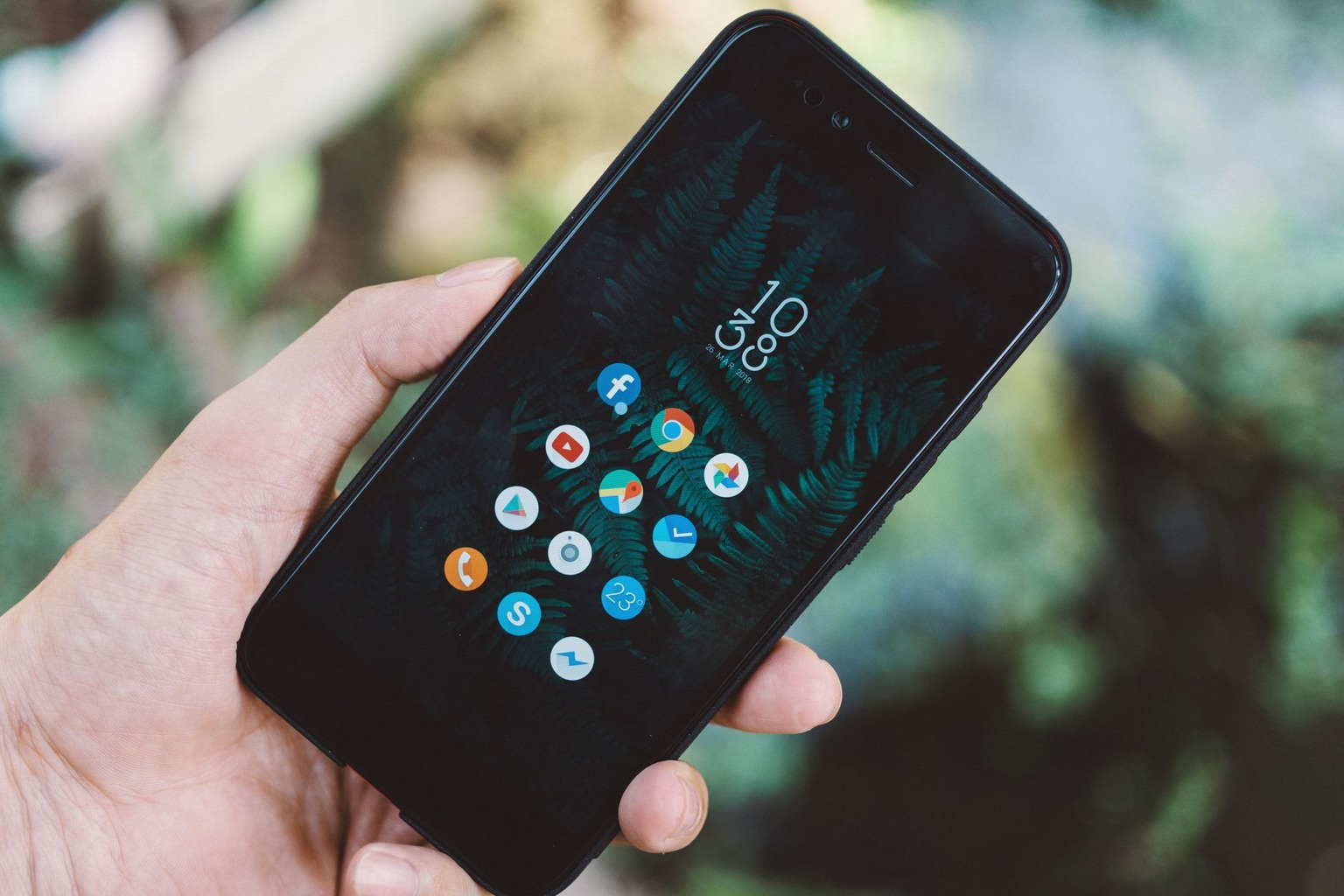
Another technological advantage is the ability to watch matches on demand. While live viewing is ideal, not every game can be watched in real time. Platforms like DAZN or NOVA Sports often offer highlights and full replays, allowing you to catch up on missed matches later. This is particularly useful for midweek games or when you’re traveling. Additionally, social media has made it easier than ever to stay connected with fellow fans. Platforms like Twitter or Facebook groups dedicated to Greek football allow you to discuss matches in real time, share highlights, and even coordinate watch parties. This sense of community enhances the overall experience, even if you’re not watching live.
For those who enjoy deeper analysis, technology also provides tools for tracking team performance and player stats. Websites like Transfermarkt or Whoscored offer detailed statistics that can help you contextualize matches beyond just the final score. For example, if you’re a PAOK fan, you might use these tools to track their defensive record or key player performances leading up to a big match. This kind of data-driven approach can make your viewing experience more informed and engaging. However, it’s important to balance this with the emotional side of fandom, too much analysis can sometimes overshadow the pure excitement of watching a game unfold.
Creating a Personalized Greek Football Leisure Routine
The most successful approach to planning around the Greek Super League calendar is to create a personalized routine that reflects your unique lifestyle. This means taking stock of your non-negotiable commitments, like work, family, or other hobbies, and then finding ways to integrate football into that framework. For example, if you’re a parent, you might schedule match days around school schedules, ensuring that you’re available to pick up your children after games. Similarly, if you’re a professional, you might use remote work policies to adjust your hours on match days. The goal is to make football a natural part of your routine, not an interruption to it.
Another key aspect of personalization is tailoring your viewing habits to your preferences. Some fans thrive on the social experience of a packed stadium, while others prefer the comfort of their own home. Some enjoy deep dives into pre-match analysis, while others just want to kick back and watch. There’s no one-size-fits-all approach, so experiment to find what works best for you. For instance, you might start the season by attending every home game, only to realize halfway through that you’re spending too much time and money on travel. Adjusting your strategy, perhaps by watching some matches at home or in a local bar, can make the experience more sustainable.
Finally, it’s important to remain flexible. The Greek Super League calendar is dynamic, with fixtures shifting due to international breaks or last-minute changes. What works in August might not work in December, so be prepared to adapt. This could mean switching from watching every match live to a more selective approach, or adjusting your social plans to accommodate unexpected schedule changes. By staying open to change and continuously refining your routine, you can ensure that Greek football remains a source of joy rather than stress in your leisure time.

I’ve been fascinated by slots and casino mechanics ever since I discovered online gambling as a teen, and I love sharing the thrill of bonuses and tournaments with fellow players. These days I spend my time exploring crypto-casino platforms and dissecting the strategies behind mini-games, writing about what makes each experience unique.