
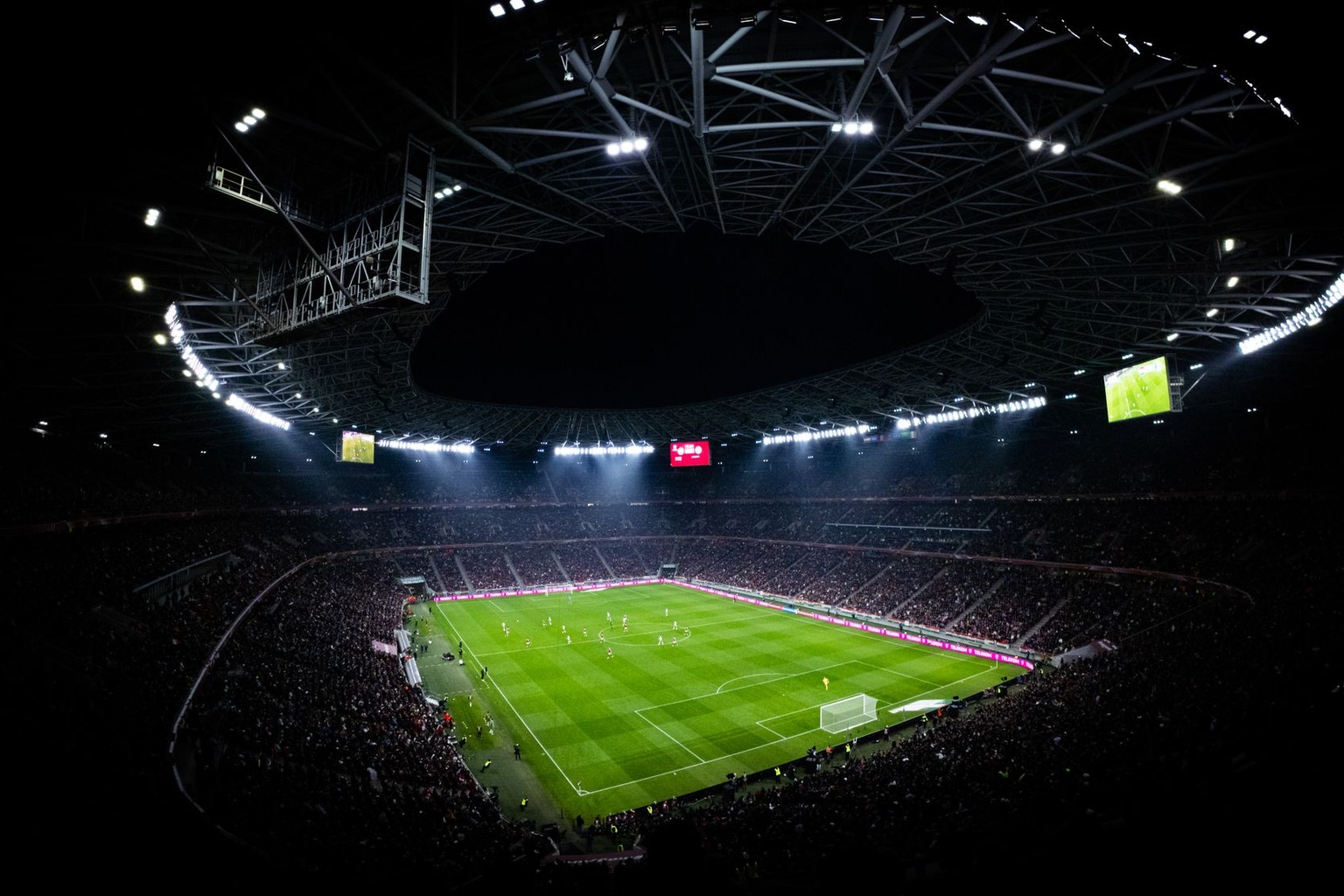
The football calendar is a relentless rhythm of highs and lows, and for fans of Greek and European leagues, it dictates how leisure time unfolds, whether you’re a die-hard supporter, a casual viewer, or someone who simply enjoys the spectacle. The challenge isn’t just keeping up with fixtures but weaving them into a lifestyle where work, social life, and entertainment coexist without friction. At Sportlemon, the focus is on making that balance seamless, turning match days into planned highlights rather than chaotic interruptions. The key lies in anticipation, flexibility, and smart preparation, especially when European and Greek football’s schedules overlap with other commitments. Without a structured approach, even the most passionate fan can find themselves scrambling to adjust plans last-minute, missing out on the full experience or burning out from overcommitment. The solution starts with understanding the calendar’s ebb and flow and then designing your leisure time around it, prioritizing what matters most while leaving room for spontaneity.
Understand the Greek and European Football Calendar’s Core Phases
The football calendar isn’t a linear timeline but a series of distinct phases, each with its own intensity and demands. For Greek football, the Super League Greece season runs from August through May, with a winter break in January that coincides with European club competitions. The Greek Cup, meanwhile, adds a mid-season sprint, often clashing with domestic league matches. European leagues like the Premier League, Bundesliga, and Ligue 1 operate on similar schedules but with variations, some leagues start in August, others in September, and all conclude by mid-May. The Champions League and Europa League introduce additional layers of complexity, with knockout phases creating unpredictable gaps in the calendar. A fan who doesn’t account for these phases risks overloading their schedule, especially during autumn and spring when domestic and European matches overlap. For example, a Greek team like Olympiacos playing in the Champions League while also competing in the Super League means double the fixtures, requiring careful time management. The first step is mapping out these phases and identifying the busiest periods, typically late August to early December and February to April, when matches pile up. Tools like Sportlemon’s fixture calendars can help visualize these overlaps, allowing you to spot potential conflicts before they arise.
European competitions add another layer of unpredictability. The Champions League’s knockout stages, for instance, can shift matchdays to weekends or even weeknights, disrupting routine plans. A study by the European Sports Media Association found that knockout-phase matches draw significantly higher viewership, often peaking on Wednesdays and Thursdays, days when many fans have fewer commitments. This means adjusting your leisure time to accommodate these shifts, whether it’s scheduling work around a late kickoff or planning social activities on less busy days. Greek clubs in European competitions face the same challenge, with teams like PAOK or AEK Athens sometimes juggling domestic and continental matches in the same week. The solution is to treat these phases like project deadlines: block out time in advance, treat them as non-negotiable appointments, and build buffer periods around them. Without this foresight, even the most dedicated fan can find themselves exhausted by the season’s end, having missed out on the full experience due to poor planning.
Align Your Leisure Time with Matchdays and Breaks
The football calendar isn’t just about matches, it’s about the rhythm of rest and intensity. For Greek football fans, the winter break in January offers a rare respite, a chance to recharge before the return of domestic league action in February. European leagues follow a similar pattern, with mid-season breaks in December and January that can last up to three weeks. These breaks are goldmines for planning other activities, whether it’s travel, hobbies, or simply catching up on non-football interests. The mistake many fans make is treating these breaks as dead time, filling them with errands or obligations that drain the energy they’re meant to restore. Instead, they should be repurposed as opportunities to engage with football in different ways, watching classic matches, analyzing team performances, or even attending local events like fan meetups or charity games. For example, the January break could be the perfect time to visit a Greek stadium for a friendly match or a pre-season training session, turning passive fandom into an active experience.
Similarly, the summer months, typically June through August, are when many leagues take their longest breaks. This is the ideal time to plan for the upcoming season, whether it’s researching new teams, setting up watch parties, or even traveling to watch a Greek club play in a pre-season friendly. The key is to avoid the trap of overcommitting during these breaks. Instead of scheduling back-to-back activities, use them to create a balanced routine. For instance, if you’re a fan of Olympiacos, you might spend part of the summer watching their pre-season games while also taking time off to explore other interests or relax. European leagues often host pre-season tournaments in the summer, providing another layer of content to enjoy without the pressure of a full schedule. The goal is to align your leisure time with the natural pauses in the calendar, ensuring you’re not constantly on the go but instead enjoying football in a way that feels sustainable and rewarding.
Plan Around Key European and Greek Showcases
Not all matches are created equal, and the most significant fixtures, like Greek derbies or European derbies, demand special attention. In Greek football, the Super League derbies between Olympiacos, PAOK, and AEK Athens are must-watch events, drawing massive viewership and creating a unique atmosphere. These matches often coincide with European derbies, such as Manchester United vs. Liverpool or Bayern Munich vs. Borussia Dortmund, which are equally intense. The challenge is to prioritize these fixtures without sacrificing other aspects of your life. One strategy is to designate certain days as “football days,” where you block out time to watch, analyze, and engage with the matches without distractions. For example, if you know a Greek derby is scheduled for a Friday night, you might plan your week around it, finishing work early, arranging childcare if needed, and setting aside a quiet space at home to enjoy the game fully. This approach ensures that you don’t miss out on the excitement while still maintaining a healthy balance.
Key European competitions like the Champions League and Europa League also require careful planning. These matches often fall on weeknights, which can be challenging for fans with full schedules. The solution is to treat them like important meetings, schedule them in advance, communicate your availability to colleagues or family, and prepare accordingly. For instance, if you’re working late on a Tuesday but have a Champions League match at 8 PM, you might arrange to work from home or adjust your schedule to accommodate the game. Greek clubs in European competitions add another layer of complexity, as their matches may not align with the standard European schedule. In these cases, flexibility is key. You might need to watch matches on-demand or record them to enjoy later, depending on your availability. The goal is to ensure that these high-stakes matches don’t slip through the cracks due to poor planning. By treating them as non-negotiable appointments, you’ll be able to fully immerse yourself in the experience without feeling rushed or overwhelmed.
Leverage Technology to Streamline Your Watching Experience
In the digital age, technology is your best ally when it comes to managing your football-watching schedule. Platforms like Sportlemon provide comprehensive fixture calendars, live streams, and alerts that keep you informed about upcoming matches. These tools allow you to plan your leisure time more effectively by giving you real-time updates on kickoff times, TV channels, and even alternative streaming options. For Greek football fans, this is particularly useful, as domestic matches may not always be widely available on international platforms. By setting up alerts for key fixtures, you can ensure you never miss a match, even if it’s scheduled at an inconvenient time. Additionally, these platforms often include features like replays and highlights, allowing you to catch up on matches you couldn’t watch live. This flexibility is crucial for balancing football fandom with other responsibilities, as it ensures you can engage with the sport on your own terms.
Another technological advantage is the ability to watch matches on-demand or through live streaming services. Services like DAZN, beIN Sports, and local Greek broadcasters provide extensive coverage of domestic and European leagues, making it easier to catch up on matches you might have missed. For fans traveling or working during match times, these services offer a lifeline, allowing them to stay connected to the action without being physically present. However, it’s important to note that some matches may require paid subscriptions or specific regional access, so planning ahead is essential. For example, if you’re a fan of the Greek Super League but often travel abroad, you’ll need to research which streaming services are available in your destination. By leveraging technology, you can create a personalized watching experience that fits seamlessly into your schedule, whether you’re at home, on the go, or working remotely. This level of flexibility ensures that football remains a central part of your leisure time, regardless of external circumstances.
Avoid Common Pitfalls in Matchday Planning
Even with the best intentions, mismanaging your football-watching schedule can lead to frustration and burnout. One of the most common mistakes is failing to account for time zones, especially when watching European matches from Greece or vice versa. For example, a Champions League match kicking off at 8 PM in London might be 9 PM in Athens, but if you’re in a different time zone, the kickoff time could shift significantly. This can lead to confusion and missed matches if you’re not prepared. The solution is to convert all kickoff times to your local time zone and set reminders accordingly. Tools like Google Calendar or dedicated football apps can help automate this process, ensuring you’re always aware of the correct time. Another pitfall is overcommitting to too many matches at once, especially during busy periods like the autumn or spring. If you find yourself scheduled to watch multiple matches in a single day, it’s better to prioritize and record the others for later viewing. This approach prevents decision fatigue and ensures you can fully enjoy the matches you do watch.
Another frequent issue is neglecting to plan for travel or social commitments that might clash with matchdays. For example, if you have a Greek derby scheduled for the same weekend as a family gathering, you’ll need to decide in advance whether to prioritize the match or the event. The key is to communicate your plans early and be flexible where possible. If you can’t attend a match live, consider watching it later or joining a virtual watch party with friends. Similarly, if you’re traveling during a key European competition, research in advance which matches will be available to stream in your location. By anticipating these potential conflicts, you can avoid last-minute scrambling and ensure that your leisure time remains enjoyable and stress-free. The goal is to create a schedule that accommodates both your football fandom and your personal life, without one suffering at the expense of the other.
Incorporate Football into Social and Personal Leisure
Football isn’t just a solo activity, it’s a social experience that can enrich your leisure time when planned thoughtfully. One of the best ways to enjoy matches is by hosting or attending watch parties with friends or family. These gatherings create a communal atmosphere that enhances the viewing experience, whether you’re debating tactics, sharing predictions, or simply enjoying the camaraderie. For Greek football fans, this might mean organizing a watch party for a Super League derby or a European match involving a Greek club. The key is to plan these events in advance, ensuring that everyone’s schedules align and that you have the necessary equipment, like a big screen, sound system, or streaming setup. You might also consider themed watch parties, such as “Greek Derby Night” or “Champions League Knockout Weekend,” to add an extra layer of excitement. These events not only make watching matches more enjoyable but also strengthen social connections, turning football into a shared experience rather than a solitary one.

Another way to incorporate football into your leisure time is by combining it with other hobbies or interests. For example, if you enjoy cooking, you could plan a themed meal around a matchday, perhaps Greek meze for a Super League game or a British pub-style spread for a Premier League fixture. Similarly, if you’re into fitness, you might schedule a pre-match workout or a post-match walk to make the experience more active. For those who love travel, attending a match in person, whether it’s a Greek derby or a European competition, can be a memorable experience. Many stadiums offer tours or have nearby attractions, making it easy to turn a matchday into a full-day outing. The goal is to find ways to integrate football into your existing leisure activities, ensuring that it enhances rather than disrupts your lifestyle. By doing so, you’ll create a more fulfilling and enjoyable experience that goes beyond simply watching the game.
Prepare for the Off-Season: Rest and Recharge
The off-season is often overlooked as a time for relaxation, but it’s actually one of the most important periods for football fans. After the intensity of the domestic and European seasons, the summer and winter breaks offer a chance to rest, reflect, and recharge. For Greek football fans, this means taking time to analyze the upcoming season, research new players, and even attend pre-season training sessions or friendlies. The mistake many fans make is treating the off-season as a time to catch up on other obligations, such as work or errands, rather than using it to engage with football in a more meaningful way. Instead, this period should be repurposed as an opportunity to deepen your connection to the sport. For example, you might spend part of the summer watching classic matches, reading about team strategies, or even volunteering at a local youth football clinic. These activities not only keep you engaged with football but also help you return to the season feeling refreshed and enthusiastic.
Another aspect of off-season planning is preparing for the upcoming season’s challenges. This might involve setting goals for yourself as a fan, such as attending more matches in person, improving your knowledge of the sport, or even starting a fantasy football league. It could also mean researching new teams or players to follow, ensuring that you’re not caught off guard by changes in the league or European competitions. For Greek football fans, this might include keeping an eye on transfers, coaching changes, or new rivalries that could emerge. By taking the time to prepare during the off-season, you’ll be better equipped to navigate the upcoming season with confidence and excitement. The goal is to use this time to build anticipation for the new season while also ensuring that you’re not mentally or physically exhausted by the time the matches begin. This proactive approach ensures that you can fully enjoy the football experience without feeling overwhelmed by last-minute preparations.

I’ve been fascinated by slots and casino mechanics ever since I discovered online gambling as a teen, and I love sharing the thrill of bonuses and tournaments with fellow players. These days I spend my time exploring crypto-casino platforms and dissecting the strategies behind mini-games, writing about what makes each experience unique.