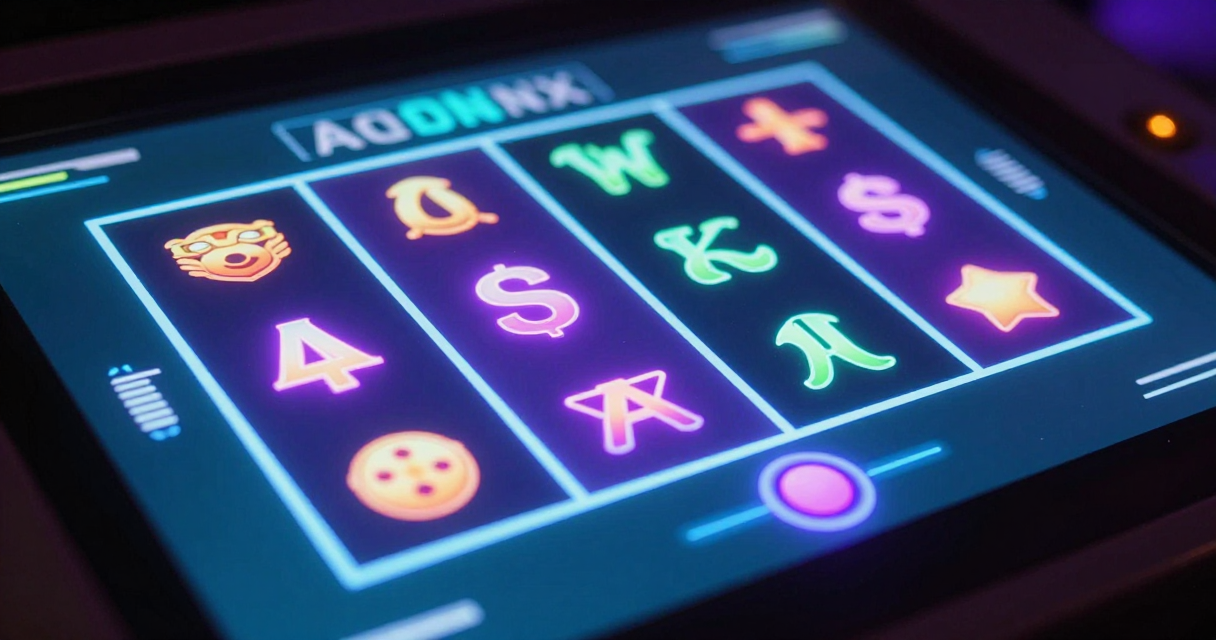
Slot machines have evolved far beyond the mechanical levers and single paylines of the past. Modern online slots now offer players multiple ways to control the pace of their spins, and they also include various bonus features, with quick spins and turbo spins being two of the most popular options. While both features speed up gameplay, they serve different purposes and appeal to distinct player preferences. Quick spins reduce the animation time between reels stopping, while turbo spins eliminate most visual effects entirely, creating a near-instantaneous result. Understanding these differences can help players optimize their betting strategy, manage their bankroll more effectively, and choose the right mode for their playing style.
What Quick Spins Actually Do in Online Slots
Quick spins are designed to accelerate gameplay while slot animations boost wins without sacrificing the core visual experience of a slot machine. When activated, this feature shortens the duration of reel animations, reducing the time between spins by roughly 30 to 50 percent compared to standard play. The reels still spin visibly, but they stop faster, and any transitional effects, like glowing symbols or brief pauses before bonus triggers, are condensed. Most online casinos implement quick spins as a toggle in the game settings, allowing players to switch between normal and quick modes at any time.
This feature is particularly useful for players who want to increase their spin count without missing out on the excitement of near-misses or bonus activations. For example, in a high-volatility slot like Book of Dead, quick spins let players cycle through base game spins more efficiently while still seeing the dramatic reveal of expanding symbols. The feature doesn’t alter the game’s RTP or hit frequency, it simply delivers the same outcomes in less time. Some progressive jackpot slots even require quick spins to be enabled for players to qualify for certain bonus rounds, making it a functional necessity for serious grinders.
How Turbo Spins Change the Gameplay Experience
Turbo spins take speed to the extreme by stripping away nearly all visual and auditory elements that slow down gameplay. When activated, the reels spin and stop almost instantly, with minimal animation or sound effects. The entire process, from placing a bet to seeing the result, can take less than a second, depending on the slot’s visual design and its impact on bonuses. This mode is ideal for players who prioritize volume over spectacle, such as those clearing wagering requirements on a bonus or testing a new strategy across hundreds of spins. However, the trade-off is a less immersive experience, as the game feels more like a spreadsheet than a casino game.
Turbo spins are especially popular in crypto casinos, where players often use bots or automated scripts to run spins at maximum speed. Some slots even offer an “ultra turbo” mode, which removes the spinning animation entirely, displaying only the final reel positions. While this might sound appealing for efficiency, it can make the game feel sterile, particularly in slots with elaborate bonus features. For instance, in a game like Gonzo’s Quest, turbo mode skips the cascading reels animation, which is a core part of the game’s appeal. Players should weigh whether the time saved is worth enjoyment with new slot mechanics.
Impact on Bankroll and Betting Strategy
The choice between quick spins and turbo spins affects how quickly a player’s bankroll depletes or grows, like free spins impact user experience. Turbo spins, with their near-instant results, can lead to a higher number of spins per minute, which means losses accumulate faster if the game isn’t paying out. For example, a player betting $1 per spin at 60 spins per minute in turbo mode will wager $60 in just one minute, compared to $30 to $40 in quick spin mode. This increased speed can be advantageous for players with a large bankroll or those chasing a specific bonus trigger, but it’s risky for casual players who might not notice how quickly their funds are disappearing.
Quick spins offer a middle ground, allowing players to maintain some control over their spending while still increasing their spin rate. Many professional slot players use quick spins to test new games, as the slightly slower pace lets them observe patterns in symbol distribution or bonus frequency. For instance, a player testing a new Megaways slot might use quick spins to see how often the bonus wheel appears without the disorienting speed of turbo mode. The key is to match the spin speed to the player’s goals, whether that’s grinding for comp points, chasing a jackpot, or simply enjoying the game.
Compatibility with Bonus Features and Tournaments
Not all bonus features and tournament rules are compatible with turbo or quick spins. Some slots disable turbo mode during free spins rounds or bonus games to ensure players don’t miss key animations or decisions. For example, in a slot with a pick-me bonus, turbo mode might be automatically turned off to give players time to select their prizes. Similarly, many online casinos exclude turbo spins from tournament play, as the speed advantage could skew leaderboard results. Quick spins, however, are usually allowed in tournaments, as they don’t provide an unfair edge, only a slight time advantage.
Players who rely on bonus features should also consider how spin speed affects their ability to track progress. In a game like Immortal Romance, where the Chamber of Spins bonus has multiple levels, turbo mode can make it difficult to follow which free spins round is active. Quick spins, on the other hand, preserve enough animation to keep the experience engaging while still speeding up the base game. Some casinos even offer separate settings for base game and bonus spins, allowing players to use turbo for the former and quick spins for the latter.
Technical Differences Behind the Scenes
The way quick spins and turbo spins are implemented varies between game providers and casino platforms. Quick spins typically rely on client-side optimizations, showing how casino apps optimize performance by tweaking the game’s animation engine to skip unnecessary delays. This means the server still processes each spin at the same speed, but the visual feedback is condensed. Turbo spins, however, often require server-side adjustments to handle the increased request rate, especially in live casino environments or slots with complex bonus mechanics. Some providers, like NetEnt or Playtech, build turbo modes directly into their game engines, while others rely on the casino’s platform to handle the speed adjustments.
Latency also plays a role in how these features perform. In a high-latency environment, such as a mobile connection with weak signal, turbo spins can feel choppy or even freeze, as the server struggles to keep up with the rapid requests. Quick spins are more forgiving in these situations, as the slight delay in animations masks minor connectivity issues. Players using VPNs or playing from regions with strict internet regulations might find that turbo spins are either disabled or perform poorly, while quick spins remain functional. This technical nuance is often overlooked but can significantly impact the player experience.
Player Preferences and Psychological Effects
The choice between quick spins and turbo spins often comes down to individual psychology. Players who enjoy the thrill of anticipation and the visual spectacle of a slot tend to prefer quick spins, as they preserve the game’s pacing and excitement. The brief pause before a big win or bonus trigger can heighten the emotional payoff, making the experience more rewarding. Turbo spins, by contrast, appeal to players who view slots as a numbers game, where the goal is to maximize spins per hour rather than savor each round. This mindset is common among advantage players or those using betting systems like the Martingale.
There’s also a psychological risk with turbo spins, as the lack of visual feedback can make losses feel less impactful. A player might not register a losing streak as clearly when the reels stop instantly, leading to longer sessions and higher spending. Quick spins, with their slightly slower pace, give the brain more time to process each outcome, which can help players set limits or walk away when necessary. Some casinos even use this to their advantage, offering “responsible gaming” settings that cap spin speeds or disable turbo mode entirely for players who opt into self-exclusion tools.
Which Spin Mode Works Best for Different Slot Types
The ideal spin mode depends heavily on the type of slot being played. For classic three-reel slots or low-volatility games, turbo spins can be an efficient way to grind out small wins without wasting time. These games often lack complex animations, so the visual trade-off is minimal. High-volatility slots, however, benefit more from quick spins, as the slower pace allows players to appreciate the build-up to big wins or bonus triggers. For example, in a game like Dead or Alive 2, the anticipation of the free spins round is part of the fun, and turbo mode would ruin that experience.
Progressive jackpot slots also favor quick spins, as many of these games require players to meet specific conditions, like betting the maximum amount or enabling all paylines. Turbo mode can make it difficult to adjust settings between spins, increasing the risk of missing out on jackpot eligibility. Meanwhile, Megaways slots, with their dynamic reel setups and frequent bonus triggers, often perform best with quick spins, as the game’s mechanics are easier to follow at a slightly slower speed. Players should experiment with both modes to see which one aligns best with their preferred slot type and playing style.

I’ve been fascinated by slots and casino mechanics ever since I discovered online gambling as a teen, and I love sharing the thrill of bonuses and tournaments with fellow players. These days I spend my time exploring crypto-casino platforms and dissecting the strategies behind mini-games, writing about what makes each experience unique.