
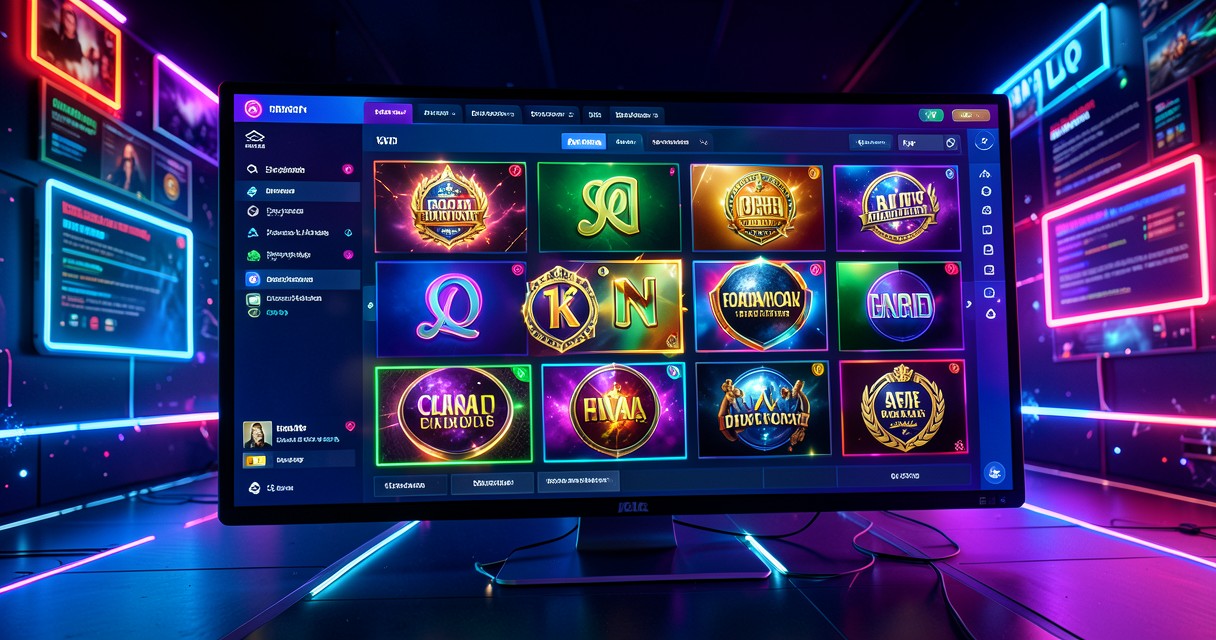
The integration of gamification features within casinos has transformed the landscape of online gambling, making it more engaging and interactive for players. By incorporating elements commonly found in video games, such as rewards, challenges, and social interaction, casinos can enhance the user experience and increase player retention. This article explores how casinos utilize gamification techniques, and how slot visuals boost wins and player retention at Jackbit US, to captivate players and increase profitability.
Understanding Gamification in Casinos
Gamification in casinos refers to the application of game-like elements in non-gaming contexts, particularly in online gambling platforms. This strategy leverages the psychological principles of game design to motivate players through rewards, competition, and community involvement. By integrating points systems, leaderboards, and achievement badges, casinos create an immersive experience that encourages frequent participation. The goal is to turn routine gambling activities into engaging experiences that feel less transactional and more like a game.
One key aspect of gamification is its ability to tap into intrinsic and extrinsic motivators. Players are often driven by the desire for achievement and recognition, prompting casinos to implement features that reward players for their actions. This can lead to longer play sessions and increased spending, benefiting both the player and the casino.
Rewards and Loyalty Programs
Many casinos have adopted comprehensive loyalty programs that reward players with points for every wager. These points can be redeemed for various perks, such as Jackbit US top slots, bonus credits, free spins, or exclusive access to tournaments. For example, a player might earn points for every dollar spent on slots, which can later be converted into cash or used to enter special events. This not only incentivizes players to keep playing but also influences player retention in casinos by fostering loyalty to the brand.
Additionally, tiered loyalty programs enhance the gamification experience by providing players with different status levels based on their activity. As players ascend through the tiers, they unlock increasingly valuable rewards, creating a competitive atmosphere. This structure encourages players to increase their engagement to reach the next tier, further driving up their gambling activity.
Mini-Games and Side Bets
Casinos have also introduced mini-games and side bets that allow players to engage in additional gameplay while waiting for main game outcomes. These mini-games often feature simpler mechanics and can provide instant gratification, appealing to players who enjoy quick rewards. For instance, a slot game might include a mini-game where players can spin a wheel for a chance to win extra coins or multipliers.
Side bets, on the other hand, allow players to wager on specific outcomes within a game, such as predicting the next card in blackjack. These features add layers of excitement and strategy, enhancing the overall gaming experience. By integrating mini-games and side bets, casinos can keep players entertained and engaged, even when their primary game is in a lull.
Social Interaction and Competition
Incorporating social elements into online casinos has proven to be an effective way to enhance engagement. Many platforms now offer features that allow players to connect with friends, join teams, or compete against one another in challenges. Social interaction can include sharing achievements on leaderboards, participating in tournaments, or sending gifts to friends. This not only makes the experience more enjoyable but also builds a sense of community among players.
Leaderboards, in particular, foster a competitive spirit. Players can see where they rank against others in terms of points earned or challenges completed, motivating them to play more to improve their standings. This competitive aspect can significantly increase the amount of time players spend on the platform, as they strive to outperform their peers.
Personalization and Customization
Personalization is one of the key features of casino platforms that drive competitiveness. By analyzing player behavior and preferences, casinos can customize user experience for individual users. This can include personalized game recommendations, customized bonuses, and targeted promotions. For instance, if a player frequently engages with a particular slot game, the casino may offer them exclusive bonuses related to that game.
Customization also extends to avatars and game interfaces, allowing players to express their individuality. Many online casinos now offer options for players to create unique avatars or modify their gaming environment. This level of personalization not only enhances player satisfaction but also increases the likelihood of return visits, as players feel a stronger connection to the platform.
Incorporating Technology and Innovation
The rise of technology has paved the way for innovative gamification strategies, showcasing online casino gaming trends. Virtual reality (VR) and augmented reality (AR) are beginning to play a role in creating immersive gaming experiences. For example, VR casinos allow players to engage in a fully interactive environment where they can walk around, socialize, and play games as if they were in a physical casino.

Additionally, mobile gaming has become increasingly popular, leading casinos to develop apps that incorporate gamification features. These apps often include push notifications to remind players of upcoming challenges or promotions, encouraging them to log in and participate. By leveraging technological advancements, casinos can keep their offerings fresh and appealing to a tech-savvy audience.
Challenges and Considerations in Gamification
While gamification presents numerous benefits for online casinos, it also comes with challenges. One major concern is the potential for gambling addiction, as gamified elements can make it easier for players to lose track of time and money. Casinos must strike a balance between creating engaging experiences and ensuring responsible gaming practices. Implementing features like deposit limits and self-exclusion options can help mitigate these risks.
Additionally, casinos must continually innovate and adapt their gamification strategies to keep up with player expectations and industry trends. As players become more familiar with gamification elements, casinos must find new ways to capture their attention and maintain engagement. This requires ongoing research and investment in technology and game development to stay ahead of the competition.
The Future of Gamification in Online Casinos
The future of gamification in online casinos looks promising as technology continues to evolve. With advancements in artificial intelligence and machine learning, casinos can provide even more personalized experiences that adapt to player behavior in real-time. This could lead to more dynamic rewards systems and tailored gaming experiences that resonate with individual players.
Moreover, the integration of blockchain technology in crypto-casinos offers an opportunity to enhance transparency and trust in gamification efforts. Players may have access to verifiable rewards and achievements, fostering a sense of fairness and security. As the online gambling industry continues to grow, the role of gamification will likely become increasingly central to attracting and retaining players, shaping the future of how we experience online gaming.

I’ve been fascinated by slots and casino mechanics ever since I discovered online gambling as a teen, and I love sharing the thrill of bonuses and tournaments with fellow players. These days I spend my time exploring crypto-casino platforms and dissecting the strategies behind mini-games, writing about what makes each experience unique.