

Autoplay has become a standard option on most online slot machines, allowing the game to spin automatically without the player pressing the spin button each round. The feature is usually accessed through a small icon on the game interface and can be customized with limits for the number of spins, loss thresholds, or win caps. While the convenience of setting a machine to run on its own is appealing, the decision to enable autoplay reshapes how a player experiences volatility, bonus triggers, and overall bankroll flow. Understanding these shifts is essential for anyone who wants to keep control over their gambling session, especially when playing for real money or using cryptocurrency deposits, including effective bankroll strategies for smart players.
Defining autoplay for slot machines
In the context of online slots, autoplay refers to a built‑in function that repeats the spin action automatically once the player has chosen a preset number of rounds. The option typically lets the user decide on parameters such as maximum bet, stop‑on‑loss amount, or stop‑on‑win condition, giving a degree of personalization beyond a simple “run forever” mode. This feature is available on classic three‑reel games, video slots with elaborate storylines, and even on crypto‑friendly platforms that support instant transactions. By removing the need to click the spin button manually, autoplay reduces the physical interaction required, which can speed up gameplay and alter the perception of time spent in a session.
Most reputable casino operators integrate autoplay into their user interface in a way that complies with responsible gambling guidelines. The settings are usually displayed before activation, and many sites provide a pop‑up reminder about the risks of extended play. Some platforms also link autoplay to the player’s self‑exclusion or deposit limits, ensuring that the tool does not bypass existing safeguards. For players who enjoy a hands‑free experience, these built‑in controls help maintain a balance between convenience and protection.
How autoplay changes win cadence and RTP awareness
When a slot spins automatically, the interval between outcomes shortens dramatically compared to manual play, which can give the illusion of a faster win rate. However, the underlying return‑to‑player (RTP) percentage remains unchanged because it is a statistical measure calculated over millions of spins. Autoplay simply compresses the observation window, making streaks of wins or losses appear more intense. For example, a slot with a 96 percent RTP may deliver a series of small wins within a ten‑spin autoplay session, while the same machine might look quieter during manual play with longer pauses between spins.
Because autoplay can produce rapid sequences of wins, some players mistakenly believe they have found a “hot” machine, influencing future betting decisions. This perception is especially risky in high‑volatility games where large payouts are rare but can be substantial when they occur. The rapid feedback loop created by autoplay may also cause players to overlook the long‑term nature of RTP, leading to overconfidence and potentially larger losses when the inevitable downswings arrive.
Autoplay’s effect on bankroll and bet sizing
One of the most direct impacts of autoplay is on how quickly a player’s bankroll is consumed or grown. Since each spin is executed without a deliberate pause, the total amount wagered can increase dramatically within a short period, especially on games with high per‑spin costs. A player who sets a modest bet of $0.10 per spin might think the risk is low, yet an autoplay session of 500 spins would total $50, a sum that could be overlooked without careful monitoring. This rapid turnover emphasizes the importance of setting loss limits or stop‑on‑win thresholds within the autoplay menu.

Conversely, autoplay can be used strategically to manage bet sizing across a session. Some players configure the feature to increase the stake after a predefined number of losses, mimicking a progressive betting system while still adhering to their overall budget. When combined with a clear stop‑loss rule, this approach can help maintain discipline, as the software enforces the predetermined limits without relying on the player’s moment‑to‑moment decision making. However, any such strategy should be tested on a demo version first, because the mathematical advantage of progressive betting is often negated by the house edge built into the slot’s design.
Interaction with bonus features and free spins
Many modern slots incorporate complex bonus rounds, such as expanding wilds, multipliers, or free‑spin triggers that dramatically increase payout potential. Autoplay can both accelerate the arrival of these features and affect the player’s ability to react to them. For instance, a game that awards a free‑spin bonus after three scatter symbols may activate this round within a handful of autoplay spins, delivering a burst of extra winnings without additional cost. This rapid activation can be rewarding, but it also means the player may miss the visual cues that signal a bonus is about to start.
Some platforms pause autoplay automatically when a bonus game begins, giving the player a chance to choose bet levels or activate extra features within the bonus round. This safeguard is particularly common on regulated casino sites that prioritize transparent gameplay. In contrast, less regulated crypto‑focused operators might allow the autoplay to continue uninterrupted, which can lead to missed opportunities for players who prefer to manually adjust settings during a free‑spin sequence. Understanding how a specific game handles autoplay during bonus triggers is essential for maximizing the value of those high‑payoff moments.
Player psychology and perceived control
The convenience of autoplay often creates a sense of detachment from the act of gambling, as the player watches the reels spin without direct input. This detachment can reduce the emotional impact of each loss, making it easier to continue playing beyond the intended session length. Studies of gambling behavior indicate that reduced tactile interaction correlates with higher risk of chasing losses, because the player does not experience the same level of immediate feedback that would normally prompt a pause. Autoplay, therefore, can act as a subtle accelerator of impulsive betting patterns.
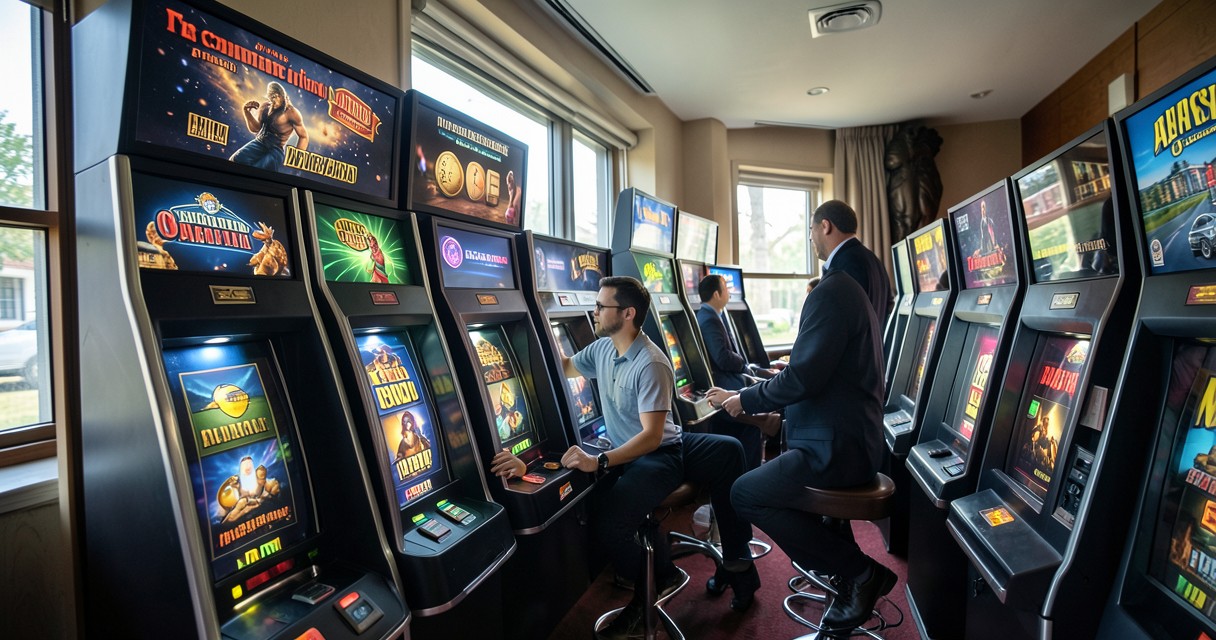
On the other hand, the ability to set clear limits within the autoplay menu can restore a feeling of control for disciplined players. By defining a maximum loss amount or a stop‑on‑win target, the player delegates the enforcement of those boundaries to the software, which can prevent emotional decision making in the heat of a streak. This psychological safety net is especially valuable in environments where the game’s pace is fast, such as on mobile devices or in live‑streamed casino rooms where distractions are abundant.
Autoplay in crypto‑based casinos and compliance
Crypto‑friendly casino platforms often promote rapid gameplay and low transaction fees, attributes that align well with the speed that autoplay provides. Because blockchain transactions can be processed instantly, players may feel encouraged to run long autoplay sessions, confident that deposits and withdrawals will keep pace with their activity. However, regulators in many jurisdictions require that online gambling sites implement responsible‑gaming features, and autoplay is a focal point of those requirements. Operators must ensure that the autoplay interface displays clear warnings and that the player can easily access self‑exclusion tools.
Compliance audits frequently examine whether autoplay can be overridden by the player at any moment, a key factor in demonstrating that the casino does not force continuous play. In jurisdictions with stricter oversight, the feature may be limited to a maximum number of spins per session, or the platform may require periodic confirmation that the player wishes to continue. For crypto casinos, adhering to these standards not only protects the player but also builds trust in the broader community, which is essential for long‑term growth in a market that values transparency and security.

I’ve been fascinated by slots and casino mechanics ever since I discovered online gambling as a teen, and I love sharing the thrill of bonuses and tournaments with fellow players. These days I spend my time exploring crypto-casino platforms and dissecting the strategies behind mini-games, writing about what makes each experience unique.