
The Concept of Near-Miss Effects in Gambling
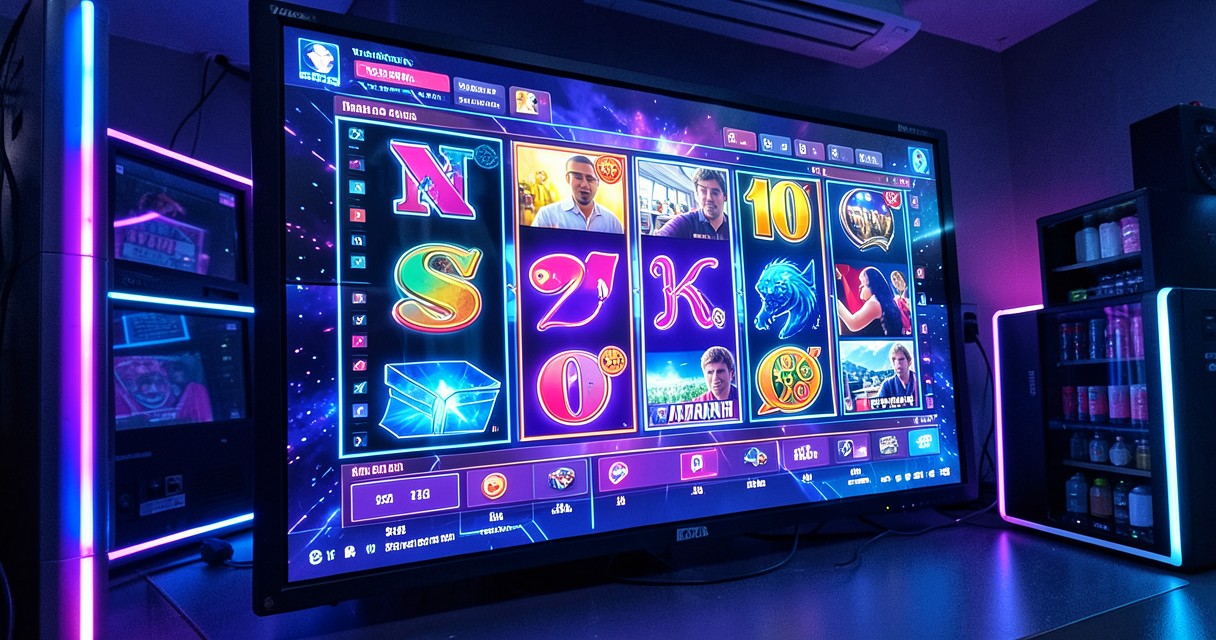
Near-miss effects in gambling refer to situations where a player almost wins but ultimately does not. This phenomenon is particularly prevalent in casino games, especially in slot machines. For instance, when a player sees two matching symbols on the reels and one symbol away from a jackpot, it evokes a sense of excitement and anticipation. This near-miss scenario can lead to a psychological response that encourages players to continue gambling despite not winning. Research indicates that near-misses can be more motivating than outright wins, as they create an illusion of being close to a reward, which can drive players to keep trying their luck.

The Role of Dopamine in Near-Miss Experiences
Dopamine, a neurotransmitter associated with pleasure and reward, plays a significant role in the psychology behind near-misses. When players experience a near-miss, their brains release dopamine, leading to feelings of excitement and satisfaction. This biological response can reinforce the behavior of continuing to play, as the brain associates gambling with pleasurable feelings. Studies show that even when players lose, the near-miss experience can elevate dopamine levels similarly to actual wins, making the player feel that success is just around the corner. This response can create a cycle of repeated play, as the brain craves that dopamine rush.

Cognitive distortions are prevalent in the gambling experience, particularly when it comes to interpreting near-misses. Players often misinterpret these situations as signs of imminent success. For example, a player may think, “I was so close to winning; I must be lucky today.” This mindset can lead to a distorted perception of odds and an overestimation of their chances of winning. Such thinking patterns can keep players engaged, as they continue to believe that a big win is just one more spin away. This cognitive bias can significantly impact betting behavior, leading to increased wagers and longer playing sessions.
Casino game designers often incorporate elements that enhance the near-miss effect. For instance, slot machines may be programmed to display near-miss scenarios more frequently to maintain player engagement. This design strategy exploits the psychological impact of near-misses, ensuring that players remain entertained and invested in the game. Additionally, the visual and auditory feedback from near-misses, such as celebratory sounds or flashing lights, can amplify the excitement and encourage further play. This intentional design creates an environment where players are more likely to chase losses and keep participating in the gambling experience.
The near-miss effect can significantly influence a player’s persistence in gambling. When players experience a near-miss, they often feel a strong urge to continue playing, believing that their next attempt will be successful. This psychological phenomenon is particularly dangerous, as it can lead to prolonged gambling sessions and increased financial losses. Research indicates that players are more likely to persist in their efforts after a near-miss, as it creates a sense of hope and motivation. This persistence can lead to problematic gambling behavior, as players may ignore the reality of their losses and continue chasing the elusive win.
Social factors also play a role in the psychology of near-miss effects. Players often engage in gambling activities within social settings, such as casinos or online platforms. The presence of other players can amplify the excitement associated with near-misses, as shared experiences can heighten emotional responses. Observing others win or react to near-misses can create a competitive atmosphere, encouraging individuals to keep playing. This social reinforcement can further entrench gambling behavior, as players feel validated in their decision to continue playing, driven by the collective excitement of the group.
Understanding the psychology behind near-miss effects can aid in developing strategies to mitigate their impact on gambling behavior. Players can benefit from setting strict limits on their gambling activities, such as time and monetary constraints, to avoid falling into the trap of chasing near-misses. Additionally, awareness of cognitive biases can help players recognize when they are misinterpreting near-misses as signs of impending success. Support systems, including counseling and gambling addiction resources, can also provide assistance to those struggling with the psychological effects of near-misses, promoting healthier gambling habits.

I’ve been fascinated by slots and casino mechanics ever since I discovered online gambling as a teen, and I love sharing the thrill of bonuses and tournaments with fellow players. These days I spend my time exploring crypto-casino platforms and dissecting the strategies behind mini-games, writing about what makes each experience unique.