
Understanding the Rise of Crypto-Based Gaming
The gaming industry is undergoing a seismic shift with the integration of cryptocurrency and blockchain technology. As traditional gaming models struggle with issues like ownership rights and monetization, crypto-based gaming introduces innovative solutions that empower players. This transformation is not just a passing trend; it represents a fundamental change in how games are developed, played, and monetized. The intersection of gaming and cryptocurrency is creating new opportunities for players and developers alike, leading to an exciting era in the casino and gaming sector.
The Growth of the Blockchain Gaming Market
The blockchain gaming market is projected to grow significantly, with estimates suggesting it could reach approximately USD 301.53 billion by 2030, up from USD 13 billion in 2024. This explosive growth is driven by increasing demand for in-game asset ownership and decentralized platforms. Players are no longer content with merely participating in games; they want to own their assets, trade them, and even profit from them. This shift is making blockchain gaming an attractive avenue for both gamers and developers.
Regions like Asia-Pacific are leading the charge in this innovation, with numerous gaming companies leveraging blockchain technology to enhance user experiences. The appeal of decentralized finance (DeFi) integration within games is also contributing to this growth, allowing players to earn rewards, stake tokens, and participate in governance.
NFTs and True Ownership in Gaming
One of the most significant trends in crypto-based gaming is the rise of non-fungible tokens (NFTs), which allow players to have true ownership of in-game assets. Traditionally, players invest time and money into games, but the items they acquire belong to the game developers. With NFTs, items such as skins, weapons, and even virtual land can be owned, traded, and sold by the players themselves.
This trend is expected to continue expanding, with more unique and tradable NFTs becoming available. Players will have the opportunity to engage in marketplaces to buy and sell assets, potentially turning gaming into a profitable venture. This evolution is shifting the paradigm of how players interact with games, moving from passive consumption to active participation in a digital economy.
From Play-to-Earn to Play-and-Earn
The play-to-earn (P2E) model has been a game-changer in the crypto gaming space. Initially, players could earn tokens through gameplay, allowing them to monetize their time and effort. However, the industry is now transitioning toward a play-and-earn model, which emphasizes not only earning but also enjoying the gaming experience.
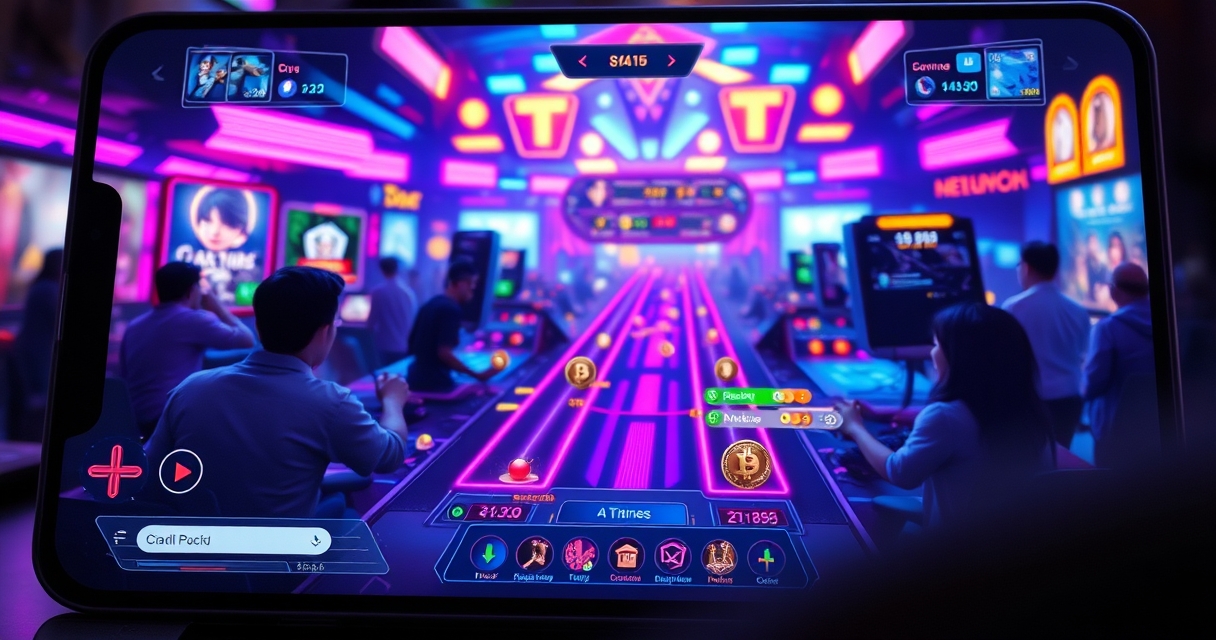
In this new framework, developers focus on creating engaging gameplay that retains players while still allowing them to earn rewards. This shift aims to attract a broader audience, including those who may not be primarily motivated by financial gain. By prioritizing fun and engagement alongside earning potential, games can foster a more sustainable and vibrant community.
Integration of DeFi Elements in Gaming
Among the latest trends in online casino gaming, the incorporation of decentralized finance (DeFi) elements is becoming increasingly popular. By incorporating mechanisms such as yield farming, staking, and liquidity pools, games can enhance their ecosystems and offer players additional ways to earn. For example, players might stake their in-game tokens to earn rewards or participate in governance decisions regarding game development.
This convergence of gaming and DeFi not only adds layers of complexity to gameplay but also deepens player investment in the game’s ecosystem. As players engage more with the financial aspects of gaming, they become stakeholders in the success of the game, fostering a sense of community and shared purpose.
The Emergence of Gaming Metaverses
Gaming metaverses are rapidly becoming a prominent feature in the crypto gaming landscape. These virtual worlds allow players to interact, trade, and create in expansive digital environments. Companies are investing heavily in developing metaverses that combine social interaction with gaming, blurring the lines between entertainment and community.

Players can explore vast landscapes, participate in events, and engage in commerce, all while utilizing cryptocurrencies and NFTs. This trend enhances the immersive experience of gaming, providing players with a sense of belonging and ownership within the virtual space. The potential for metaverses to host tournaments and competitions also opens up new avenues for engagement and monetization.
Challenges and Considerations in Crypto Gaming
Despite the promising trends in crypto-based gaming, several challenges remain. Regulatory uncertainties around cryptocurrencies and NFTs pose risks for developers and players alike. As governments worldwide grapple with how to regulate digital assets, the gaming industry must navigate these complexities to ensure compliance while fostering innovation.
Additionally, the volatility of cryptocurrencies can impact the stability of in-game economies. Players may find their earnings fluctuate dramatically, which can deter participation. Developers must create robust economic models that mitigate these risks while ensuring an enjoyable gaming experience.
The Future of Crypto-Based Gaming
With ongoing innovations, the future of mobile casino gaming appears bright, mirroring the promising outlook of crypto-based gaming. As blockchain technology matures, we can expect to see more sophisticated gaming experiences that integrate advanced economic models and community-driven content. The potential for cross-platform play and interoperability between different games and metaverses will likely become a focal point for developers.
Furthermore, as more players become familiar with cryptocurrency and blockchain technology, the demand for crypto-based gaming is expected to rise. This growing interest will likely lead to increased investment in the sector, driving further development and innovation.

I’ve been fascinated by slots and casino mechanics ever since I discovered online gambling as a teen, and I love sharing the thrill of bonuses and tournaments with fellow players. These days I spend my time exploring crypto-casino platforms and dissecting the strategies behind mini-games, writing about what makes each experience unique.