
Understanding Classic Slots
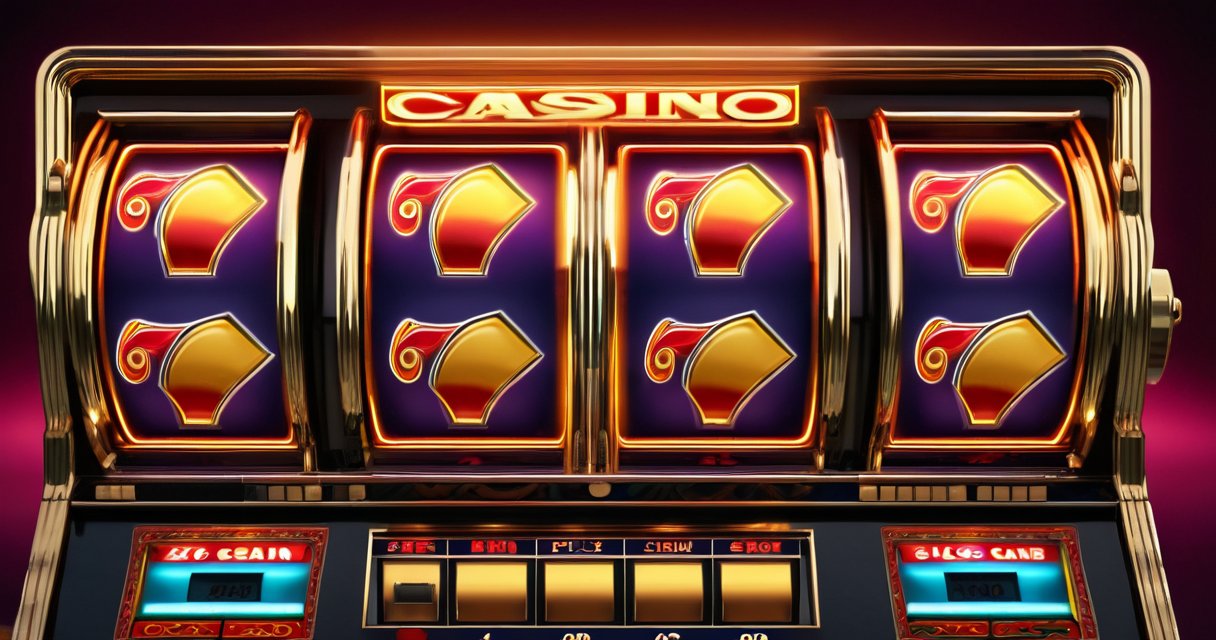
Classic slots represent the foundational elements of slot machine gaming, offering players a glimpse into the past of casino entertainment. Known also as traditional slot machines, these games have maintained their popularity due to their uncomplicated nature and timeless appeal. Vintage reels are at the heart of classic slots, spinning in a way that evokes memories of early gambling halls. Old school slots, with their basic setups, continue to attract those who prefer straightforward fun over flashy extras.
The history of classic slots begins in 1895 with Charles Fey’s Liberty Bell machine, which featured three reels and simple symbols. This invention paved the way for the proliferation of traditional slot machines across the United States and beyond. Throughout the 20th century, these machines became staples in bars, casinos, and arcades, evolving mechanically but preserving their essential characteristics. By the 1960s and 1970s, electromechanical versions emerged, yet the core remained unchanged: easy-to-understand rules and quick rounds.
Main characteristics of classic slots include simple gameplay mechanics that require no special skills or strategies. Players select their bet, spin the reels, and await the outcome based purely on luck. Limited features are a hallmark, meaning no wild multipliers, scatter symbols in complex ways, or interactive bonuses. Instead, wins come from aligning three identical symbols on the payline. This simplicity makes classic slots ideal for short sessions or for those new to the world of slots.
In addition, the design of vintage reels often incorporates fruit symbols, bells, and bars, reinforcing the old school slots vibe. The auditory and visual feedback is minimalistic, focusing attention on the spinning action itself. Many modern casinos still feature classic slots to cater to diverse player preferences, highlighting their enduring legacy. Over the decades, classic slots have seen minimal changes in their fundamental structure, which is what makes them so beloved. The absence of digital animations or progressive jackpots keeps the experience pure and focused. Traditional slot machines like these often have higher payout percentages in some cases, though volatility can vary. Enthusiasts of old school slots value the reliability and the direct connection to gambling’s roots.
Vintage reels not only provide entertainment but also serve as educational tools for understanding how slot games have developed over time. Classic slots embody an era when gaming was about the thrill of the pull rather than intricate narratives, ensuring their place as enduring favorites among players seeking authentic experiences.
Features of Modern Slots
Modern slots represent a significant evolution in the world of casino gaming, bringing together technology and creativity to deliver unparalleled entertainment. These video slots are characterized by their advanced graphics that include vibrant colors, detailed animations, and cinematic effects. Players engaging with online slot games today can expect a visual feast that was unimaginable in earlier eras of slot play.
The advanced slot features found in modern slots set them apart dramatically from older versions. Multiple paylines allow for numerous winning combinations on each spin, often ranging from 20 to over 100 paylines or even using cluster pays mechanics. This multiplicity not only heightens the thrill but also boosts the chances of securing rewards during every session.
Interactive elements play a crucial role in distinguishing modern slots from classic versions. Features like pick-and-click bonuses, expanding wilds, and storyline-driven adventures keep players engaged for longer periods. In many cases, these elements tie into the theme of the game, making each session feel like an adventure rather than a simple spin.
Furthermore, modern slots often incorporate progressive jackpots that grow with every bet placed across networks of players. This adds an element of community and massive win potential. Online slot games have also embraced mobile compatibility, ensuring that enthusiasts can enjoy their favorite titles anytime, anywhere with seamless performance.
The integration of sound design, including thematic soundtracks and realistic effects, enhances the overall atmosphere of modern slots. Developers continuously push boundaries with innovative mechanics that redefine what players expect from slot entertainment. As a result, video slots continue to dominate the market, attracting both new and seasoned gamers alike through their advanced slot features and dynamic gameplay.
Visual and Audio Differences
In the realm of slot machines, the visual and audio elements have undergone a remarkable transformation from classic to modern iterations. Classic slots typically boasted simple slot visuals, relying on basic fruit symbols and straightforward designs that lacked depth or complexity. These early machines featured minimal animations, often limited to spinning reels without any additional visual flair or engaging effects.
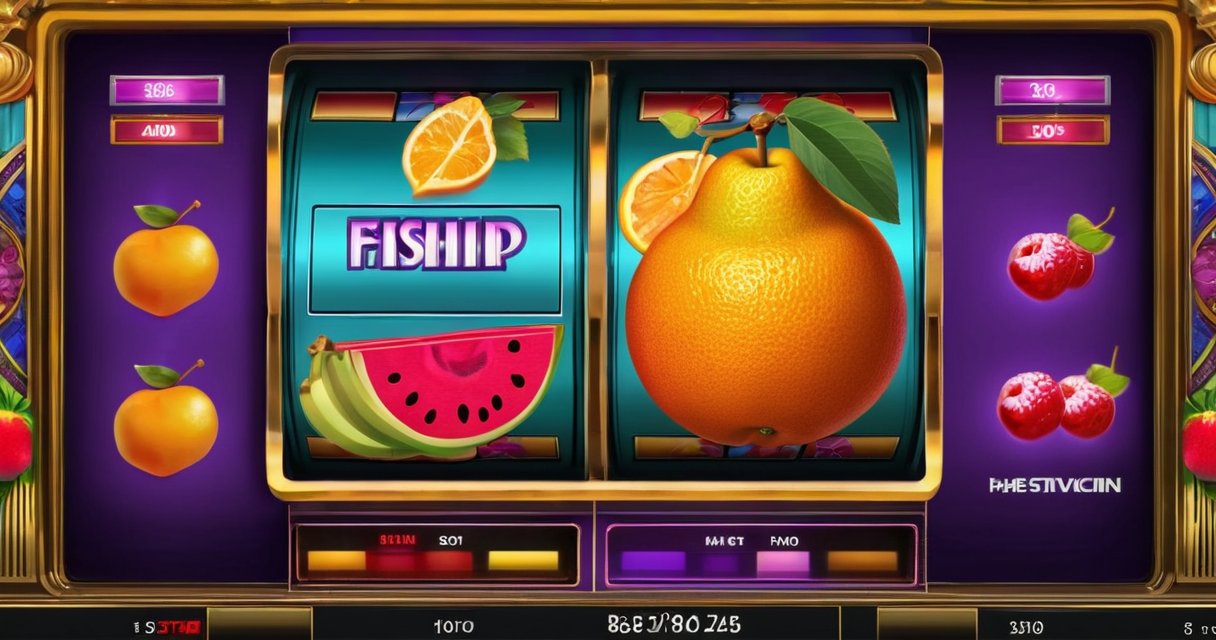
Modern slots, however, excel in creating immersive experiences through advanced slot themes that transport players to various worlds, from ancient civilizations to futuristic adventures and beyond. The graphic design slots of today utilize cutting-edge technology to deliver stunning visuals, including detailed characters, vibrant backgrounds, and seamless transitions between game stages. Animations play a crucial role, with symbols coming to life through intricate movements that enhance gameplay excitement and keep players engaged for longer periods.
Furthermore, audio effects have evolved dramatically over the years. While classic slots used basic chimes and bells to signal wins or losses, contemporary games incorporate rich soundscapes with dynamic music, voiceovers, and synchronized sound effects that match on-screen actions perfectly. This evolution in presentation not only captivates players but also elevates the overall entertainment value significantly.
The shift in slot visuals reflects broader technological advancements in the industry, allowing developers to craft more engaging narratives within diverse slot themes. Graphic design slots now feature high-resolution imagery and interactive elements that were unimaginable in the past eras of gaming. Players benefit from these improvements as they enjoy more visually appealing and audibly stimulating sessions that feel like interactive stories.
As technology continues to advance, the gap between classic and modern presentations widens, with modern slots offering unparalleled levels of detail and immersion that redefine what players expect from their gaming experiences.
Gameplay and Bonus Variations
Classic slot machines deliver straightforward slot gameplay centered on three reels and a handful of fixed paylines. The slot mechanics remain basic, relying on traditional symbols like fruits, bars, and sevens to create winning combinations without extra layers. Bonus rounds rarely appear in these older titles, keeping the experience focused on simple spins and modest payouts.
Modern slots introduce far more complex slot mechanics, often featuring five or more reels, variable paylines, and special symbols such as wilds and scatters. These enhancements support a wide array of bonus rounds that heighten engagement and reward potential. Free spins slots stand out as a signature modern addition, granting extra spins at no extra cost while frequently including multipliers or expanding symbols that amplify wins.
The contrast in bonus rounds is striking. Classic games stick to core slot gameplay with little deviation, whereas modern titles embed interactive mini-games, cascading reels, and progressive jackpots that grow across the network. Free spins slots often tie into rich themes, delivering narrative-driven sequences absent from traditional machines.
Players notice how modern slot mechanics integrate animations, sound design, and skill-based choices within bonus rounds, creating deeper immersion. Classic slots maintain nostalgic simplicity, appealing to those who prefer predictable outcomes over elaborate features. This evolution has expanded player choice dramatically.
Overall, the move from classic to modern formats transforms slot gameplay into a more dynamic experience. Advanced bonus rounds and free spins slots provide higher volatility and bigger win opportunities, while classic versions preserve the pure, unadorned charm of early mechanical machines.
Payouts and Player Experience
When comparing classic and modern slots, payout structures stand out as a major difference that shapes the overall player experience. Classic slots typically feature straightforward slot payouts with fewer paylines and simpler symbol combinations, delivering consistent but modest wins. In contrast, modern slots incorporate layered mechanics such as multipliers, cascading reels, and progressive jackpots that create more dynamic slot payouts and higher potential rewards.

Return to player percentages also vary between the two formats. Many RTP slots in the classic category hover around 95 percent, offering reliable but limited returns over time. Modern RTP slots often advertise slightly higher rates, sometimes reaching 96 to 98 percent, thanks to advanced algorithms that balance frequent small wins with occasional large payouts. Players seeking steady entertainment may prefer classic options, while those chasing bigger rewards gravitate toward modern titles with optimized RTP slots.
Slot volatility plays a crucial role in defining player experience across both styles. Classic slots usually exhibit low to medium slot volatility, resulting in regular small payouts that keep sessions engaging without extreme swings. Modern slots frequently offer adjustable volatility levels, allowing high-risk gameplay with the chance of massive wins or extended dry spells that heighten excitement. This flexibility enhances the player experience by catering to different risk tolerances and session lengths.
Ultimately, the evolution from classic to modern slots transforms the player experience through richer visuals, interactive bonus rounds, and sophisticated payout systems. While classic games emphasize simplicity and predictable slot payouts, modern counterparts deliver immersive entertainment with varied RTP slots and customizable slot volatility. Understanding these differences helps players select games that align with their preferences for thrill, duration, and potential returns.

I’ve been fascinated by slots and casino mechanics ever since I discovered online gambling as a teen, and I love sharing the thrill of bonuses and tournaments with fellow players. These days I spend my time exploring crypto-casino platforms and dissecting the strategies behind mini-games, writing about what makes each experience unique.